







What's Happening?
The University of Michigan's latest survey indicates a significant drop in consumer sentiment, reaching a record low in April. The headline index fell to 47.6, a 10.7% decrease from March, marking the lowest level on record. This decline is attributed
to rising energy prices and the broader economic impact of the ongoing conflict in Iran. Inflation expectations have also surged, with respondents anticipating a 4.8% increase in prices over the next year, the highest since August 2025. The survey director, Joanne Hsu, noted that many consumers blame the Iran conflict for the unfavorable economic changes. Despite a ceasefire on April 7, most survey interviews were conducted before this development, suggesting potential improvements in economic expectations as supply disruptions ease and gas prices stabilize.
Why It's Important?
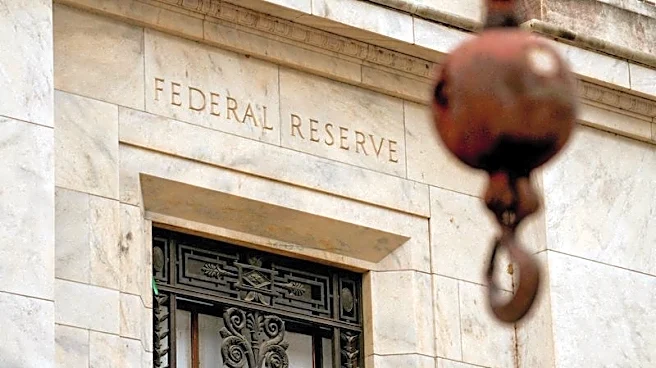
The sharp decline in consumer sentiment and rising inflation expectations highlight the economic challenges facing the U.S. The increase in energy prices, driven by the Iran conflict, has significantly impacted consumer confidence and inflation. This situation poses a challenge for the Federal Reserve, which aims to maintain inflation around its 2% target. The current inflation rate of 3.3% is primarily driven by energy costs, with food inflation remaining stable. The economic uncertainty and high inflation could influence monetary policy decisions, potentially delaying interest rate cuts. The situation also presents political challenges for the White House, as rising costs affect public sentiment and economic stability.
What's Next?
As the ceasefire in Iran takes effect, there is potential for economic expectations to improve if supply disruptions are resolved and energy prices decrease. The Federal Reserve will likely monitor inflation trends closely, considering the possibility of adjusting interest rates if inflation does not stabilize. Consumer confidence may recover if economic conditions improve, but the situation remains uncertain. The ongoing geopolitical tensions and their impact on energy prices will continue to be a critical factor in shaping economic policy and consumer sentiment.