

What's Happening?
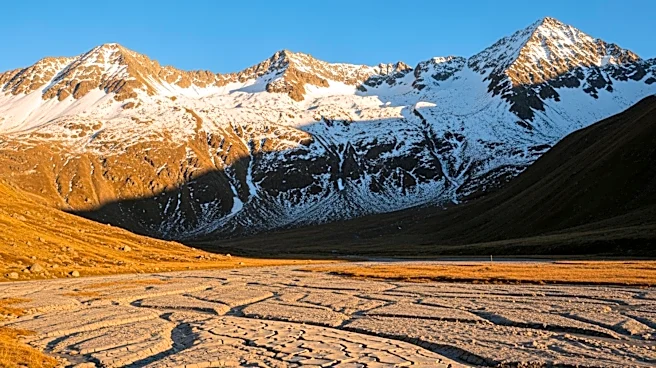
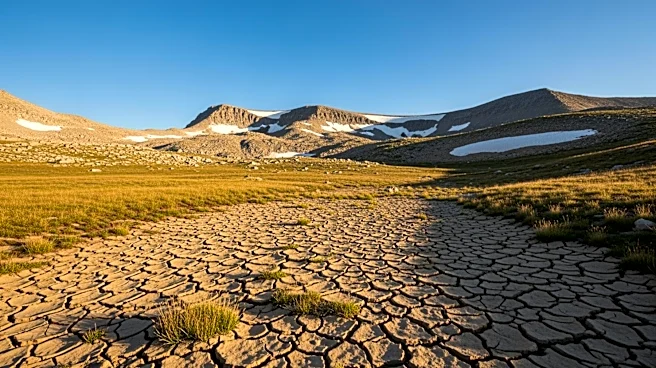
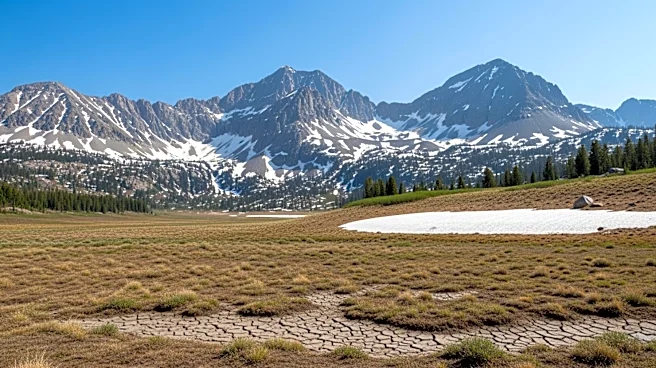
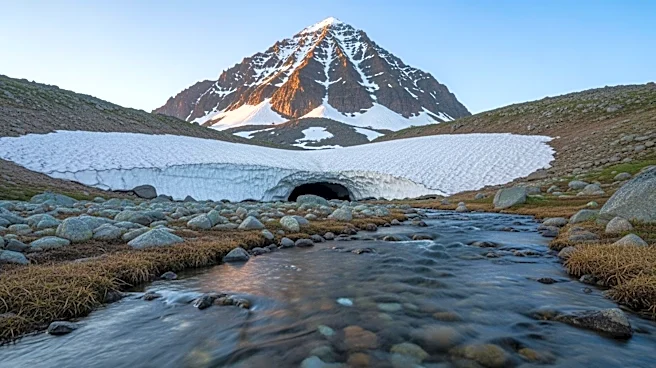
The Western United States is experiencing significant agricultural challenges due to low snowpack levels, which are crucial for water supply during the growing season. Snowpack acts as a natural reservoir, and its reduction has led to decreased water availability
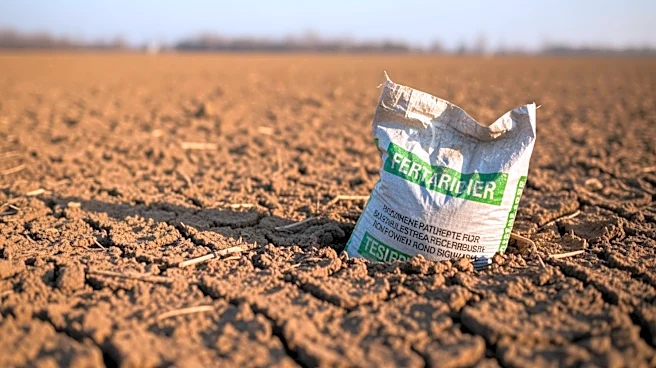
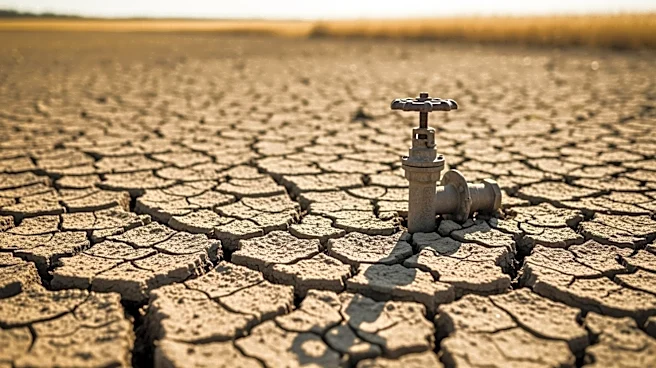
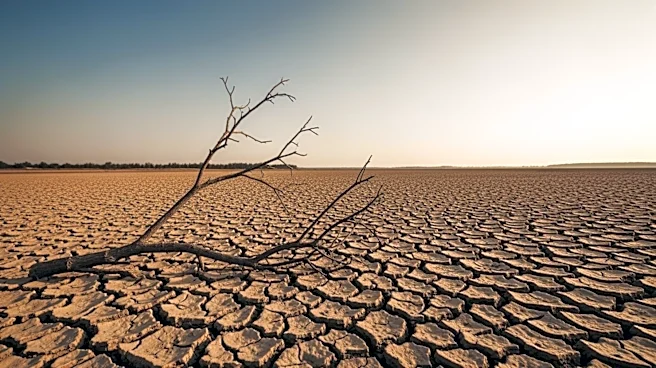
for irrigation and livestock. This year, some areas report snow levels as low as 10% of normal, prompting water managers to cut irrigation allocations. The Western U.S. is a major producer of fruits, vegetables, and nuts, and the water shortage could force farmers to reduce planting or focus on high-value crops, while livestock producers may need to cut herd sizes.
Why It's Important?
The water shortages in the Western U.S. have far-reaching implications for national food security and agricultural economics. Reduced agricultural output could lead to increased reliance on imports, raising costs and supply risks. The situation underscores the vulnerability of U.S. agriculture to climate variability and highlights the need for sustainable water management practices. The economic impact extends beyond farmers to affect the entire supply chain, including food processors and retailers. Policymakers and industry stakeholders must address these challenges to ensure the resilience of the agricultural sector.