




What's Happening?
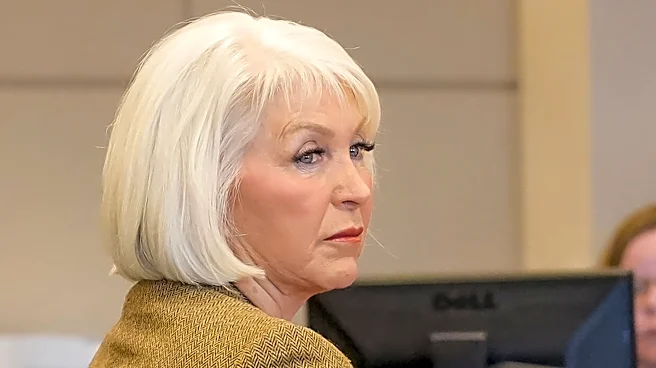
Colorado's state treasurer, Dave Young, has raised concerns about the impact of tariffs on the state's economy. During a conference call with fiscal officers from other states, Young highlighted that Colorado businesses paid $1.1 billion in tariffs in 2025,
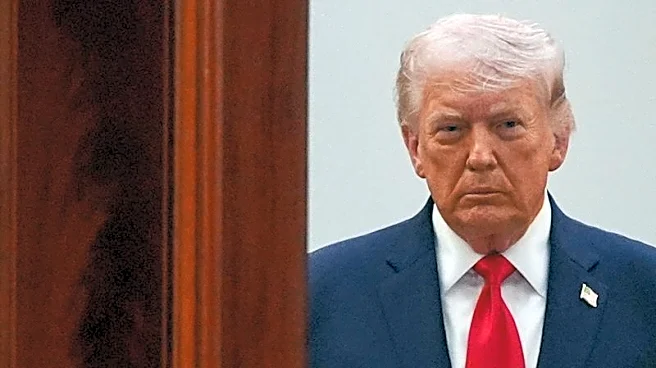
marking the highest tariff costs in over a century. These tariffs are affecting various sectors, including agriculture, construction, energy, and aerospace. Young emphasized the unpredictability caused by tariff policies, which are frequently changed, reversed, or escalated without warning, creating challenges for business owners in planning investments, hiring staff, or setting prices. Some businesses are seeking refunds after the Supreme Court struck down a significant portion of President Trump's global import taxes, although the court did not address the issue of refunds.
Why It's Important?
The ongoing tariff situation in Colorado underscores the broader economic challenges faced by businesses due to fluctuating trade policies. The unpredictability of tariffs can hinder business growth and stability, affecting investment decisions and employment. The Supreme Court's decision to strike down parts of President Trump's import taxes has led to legal actions by companies seeking refunds, highlighting the contentious nature of trade policy. The economic impact of tariffs is significant, as it affects various industries and can lead to increased costs for consumers. The situation in Colorado serves as a microcosm of the national debate on trade policies and their implications for economic growth and stability.
What's Next?
Businesses in Colorado and across the nation may continue to pursue legal avenues to obtain refunds for tariffs paid under the now-invalidated import taxes. The ongoing legal battles could lead to further scrutiny of trade policies and their implementation. Additionally, the federal government may need to address the broader implications of tariff policies and consider adjustments to provide more predictability for businesses. Stakeholders, including business leaders and policymakers, may engage in discussions to find solutions that balance trade protection with economic growth.