


What's Happening?
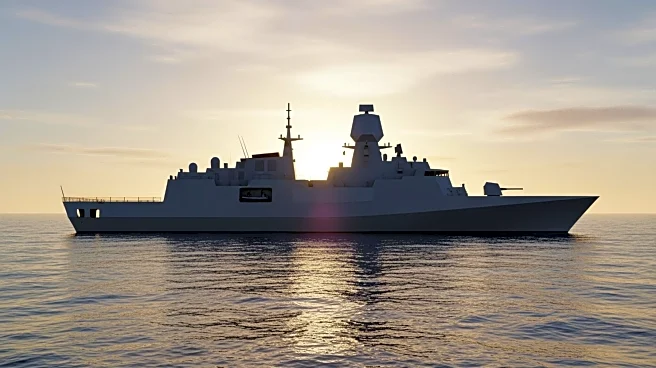
The Brazilian Navy's first Tamandaré-class frigate, F Tamandaré, has arrived at the Naval Base of Rio de Janeiro for its commissioning and test firing. This marks a significant milestone in Brazil's strategic initiative to modernize its naval surface
force. The frigate is part of the Tamandaré Class Frigate Program, which aims to enhance Brazil's maritime capabilities through advanced multi-purpose light frigates. Before its formal commissioning on April 24, the frigate will undergo a test-fire campaign using RTX MK 54 lightweight torpedoes and the Leonardo Electronics OTO 76/62 Super Rapido 76 mm gun system. The program includes plans to build three additional ships, with commissionings scheduled between 2027 and 2029.
Why It's Important?
The arrival and commissioning of the F Tamandaré frigate represent a significant advancement in Brazil's naval capabilities, enhancing its ability to conduct patrol, surveillance, and various warfare operations. This development is crucial for Brazil's national security and its strategic presence in maritime regions. The frigate's advanced systems will improve Brazil's defense readiness and operational flexibility, potentially influencing regional security dynamics. The program's expansion with additional frigates underscores Brazil's commitment to strengthening its naval forces, which could have implications for international maritime security and defense collaborations.
What's Next?
Following the commissioning of F Tamandaré, the Brazilian Navy will focus on the construction and commissioning of the remaining frigates in the Tamandaré Class Frigate Program. These efforts will continue to bolster Brazil's naval capabilities and may lead to further investments in maritime defense technology. The program's success could encourage Brazil to pursue additional frigate acquisitions, as indicated by discussions about expanding the fleet. This ongoing development may also foster international partnerships and collaborations in defense technology and maritime security.