

What's Happening?
The National Transportation Safety Board (NTSB) has released a report detailing the causes of a collision between the U.S.-flagged OSV Jack Edwards and the UK-flagged cargo ship Julie C on March 17, 2024. The incident occurred as the vessels were transiting
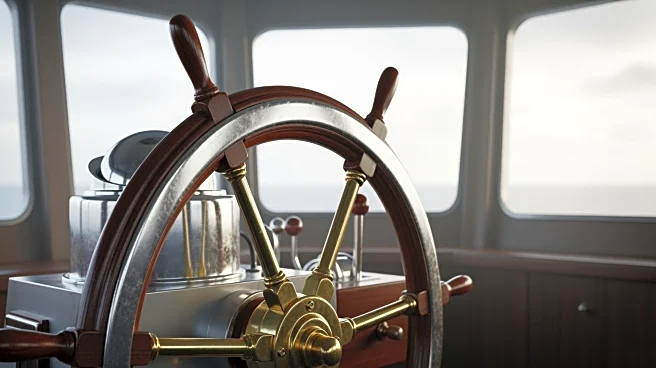
the port of Georgetown, Guyana. The report attributes the collision to the degradation of the OSV's steering system, which was overlooked by the crew. The starboard steering gear was found to be out of commission due to a damaged dust ring that allowed trash buildup, affecting seals and valves. Despite frequent steering system alarms during the trip from Louisiana to Guyana, these were not logged and were deemed normal by the crew. The collision resulted in significant damage to both vessels, including hull breaches and structural damage.
Why It's Important?
This incident highlights critical issues in maritime safety, particularly the importance of proper maintenance and reporting of vessel conditions. The NTSB's findings underscore the risks associated with normalizing equipment degradations and failing to adhere to maintenance protocols. The collision caused over $1 million in damages and injuries to two crew members, emphasizing the potential human and financial costs of such oversights. The report serves as a warning to the maritime industry about the dangers of complacency and the need for rigorous adherence to safety procedures, which are crucial for preventing similar incidents in the future.
What's Next?
The NTSB's report may prompt regulatory bodies and maritime companies to review and possibly tighten maintenance and reporting protocols. There could be increased scrutiny on vessel operations and crew training to ensure compliance with safety standards. The maritime industry might also see a push for technological advancements in monitoring systems to better log and address equipment issues. Stakeholders, including shipping companies and regulatory agencies, may need to collaborate on developing more robust safety frameworks to prevent future incidents.