


What's Happening?
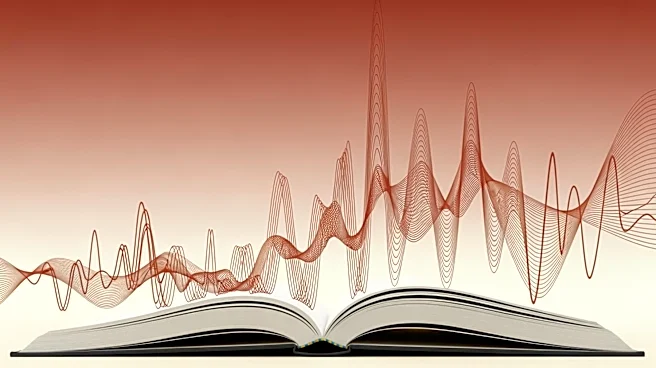
The American Library Association (ALA) has reported that book bans and attempted bans in the United States are at record highs. The ALA's annual list of the most challenged books highlights Patricia McCormick's 'Sold' as the most challenged book of 2025.
Other notable titles include 'The Perks of Being a Wallflower' by Stephen Chbosky and 'Gender Queer: A Memoir' by Maia Kobabe. The ALA's report, part of the State of America's Libraries Report, indicates that challenges to books have become more coordinated and politicized, with government officials and conservative activists leading the charge. The ALA recorded challenges to 4,235 different works, a number only slightly lower than the record set in 2023. The association defines a challenge as an attempt to have a library resource removed or access restricted based on objections from individuals or groups.
Why It's Important?
The increase in book bans and challenges reflects a growing trend of politicization in the United States, particularly concerning educational and library resources. This trend has significant implications for intellectual freedom and access to diverse narratives and experiences. The involvement of government officials and organized activist groups in these challenges suggests a shift from local grassroots efforts to more systematic campaigns. This could lead to a narrowing of available literature in public libraries and schools, impacting educational diversity and freedom of expression. The ALA's findings highlight the need for vigilance in protecting access to varied literary works, which are essential for fostering critical thinking and cultural understanding.
What's Next?
As book bans continue to rise, libraries and educational institutions may face increased pressure to comply with restrictive legislation. States like Florida, Texas, and Utah have already enacted laws limiting access to certain books, and similar measures could spread to other states. The ALA and other advocacy groups are likely to intensify efforts to combat these bans and promote intellectual freedom. National Library Week, which runs through April 25, may serve as a platform for raising awareness and mobilizing support for libraries as spaces for knowledge and access.
Beyond the Headlines
The trend of book bans raises ethical and cultural questions about censorship and the role of libraries in society. Libraries have traditionally been bastions of free access to information, and the current wave of challenges threatens this foundational principle. The politicization of book bans also reflects broader cultural conflicts over issues such as LGBTQ+ rights, racial equality, and sexual education. These bans could contribute to a cultural shift towards increased censorship and control over educational content, potentially stifling open dialogue and diversity of thought.