






What's Happening?
Malawi is currently experiencing a severe fuel shortage, leading to a significant increase in transport costs, with some minibus fares doubling. Diesel has been scarce for approximately three weeks, followed by a shortage of petrol. This has resulted
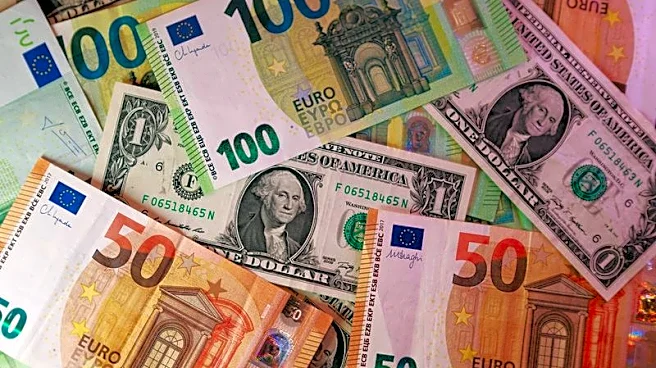
in a thriving black market where fuel is sold at about three and a half times the official petrol price. The shortage is widespread, affecting major cities like Lilongwe, Blantyre, Mzuzu, and the northern road from Karonga. According to Happy Jere, chairman of the Fuel Retailers Association of Malawi, urban filling stations receive only about 30% of their normal diesel supply, while remote stations receive none. The primary cause of this crisis is Malawi's reliance on fuel imports, which are paid for mainly in US dollars, a currency that has been in short supply for months. The Malawi Energy Regulatory Authority (MERA) has maintained official pump prices, but the black market prices are substantially higher. For instance, petrol officially costs K5,619 (approximately US$3.27) per liter, while on the black market, it can reach K20,000 (about US$11.65) per liter.
Why It's Important?
The fuel shortage in Malawi has significant implications for its economy and the daily lives of its citizens. The doubling of minibus fares directly impacts the cost of living for many Malawians, particularly those who rely on public transport for commuting to work or accessing essential services. This surge in transportation expenses can exacerbate poverty and reduce disposable income, potentially leading to broader economic instability. The thriving black market for fuel indicates a breakdown in official supply chains and regulatory control, which can foster illicit activities and further distort market prices. For U.S. readers and investors, the situation highlights the indirect exposure through international financial institutions like the IMF. The ongoing talks between the IMF and Malawi for a loan program, aimed at supporting an Extended Credit Facility, are crucial. While progress has been reported, the absence of a finalized deal means Malawi continues to struggle with its dollar shortage, which is at the root of the fuel crisis. This situation underscores the interconnectedness of global financial stability and local economic conditions, particularly in developing nations dependent on imports and international aid.
What's Next?
The immediate future for Malawi involves efforts to alleviate the fuel shortage and stabilize transport costs. The National Oil Company of Malawi (NOCMA) has invited bids for 440,000 tonnes of refined fuel, requesting suppliers to propose payment terms, including credit, to ease the pressure on Malawi's limited US dollar reserves. While reports indicate a convoy of approximately 119 loaded tankers heading into Malawi, and another 40 expected to be loaded, it remains uncertain when this fuel will reach filling stations and how much it will alleviate the current scarcity. The outcome of NOCMA's fuel tender and whether bidders will accept Malawi's proposed payment terms are critical unknowns. Furthermore, the ongoing discussions between the IMF and Malawi for a loan program are pivotal. A finalized deal, which still requires approval from IMF management and the Executive Board, could provide much-needed foreign currency support, helping Malawi pay for essential imports like fuel. Until then, citizens can expect continued long queues at filling stations, higher taxi and minibus fares, and limited fuel availability outside major urban centers.
Beyond the Headlines
The fuel crisis in Malawi extends beyond immediate economic impacts, touching upon deeper issues of national resilience and international financial dependency. The reliance on US dollars for essential imports exposes Malawi's vulnerability to global currency fluctuations and the availability of foreign exchange. This situation highlights the broader challenge faced by many developing, landlocked nations that must navigate complex international trade and finance systems to meet basic domestic needs. The rise of a black market for fuel, while a symptom of scarcity, also points to potential governance challenges and the informal economy's role in times of crisis. Ethically, the disproportionate impact on the poor, who bear the brunt of increased transport costs, raises questions about equitable access to essential services. The IMF's involvement, while offering a potential solution, also underscores the conditionalities often attached to international aid, which can influence national economic policies. This crisis could serve as a catalyst for Malawi to explore long-term strategies for energy security, potentially including diversification of energy sources or regional collaborations to reduce reliance on a single currency for critical imports.