


What's Happening?
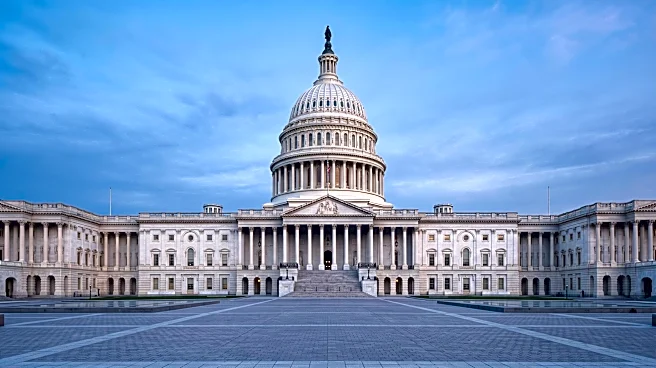
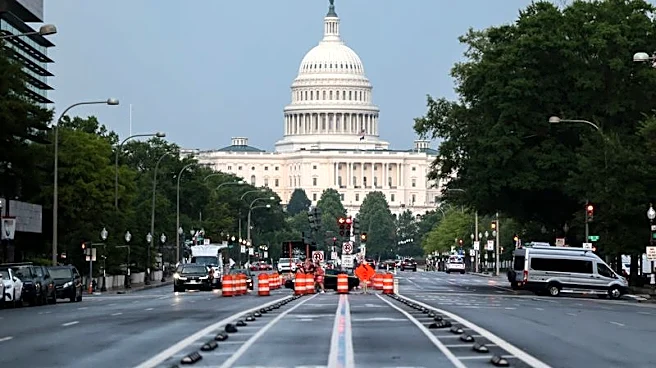
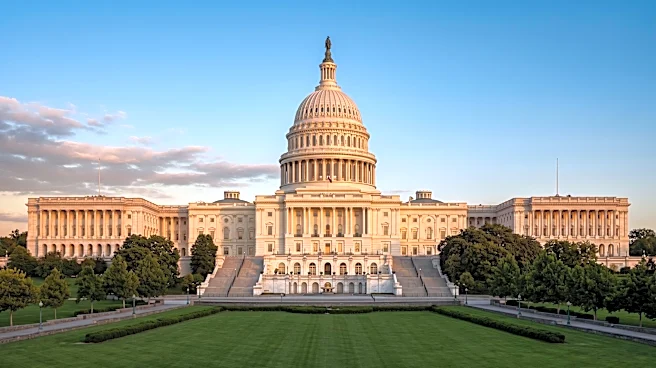
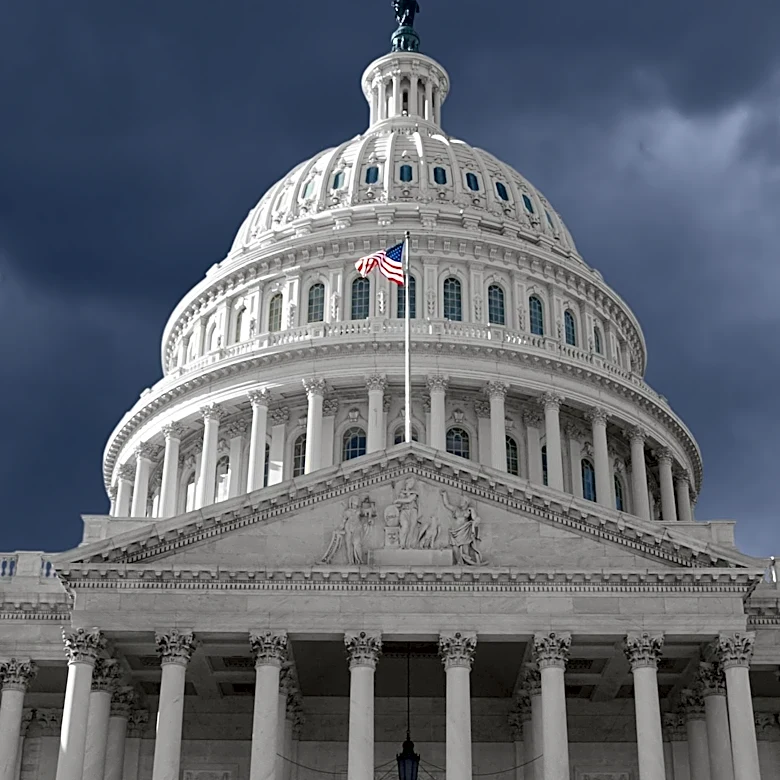
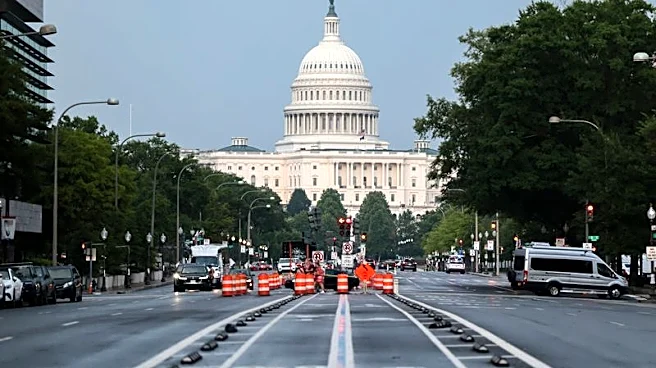
The House of Representatives has passed the Water Resources Development Act (WRDA) with overwhelming support, by a vote of 415-9. This bill, which is a two-year reauthorization and policy bill for U.S. Army Corps of Engineers (USACE) civil works projects,
operations, and other federally supported water infrastructure programs, includes language added by Congressman Chris Deluzio (D-PA). This language mandates that the USACE must inform Congress and consult with stakeholders before implementing any boundary realignment. The International Federation of Professional and Technical Engineers (IFPTE) supported the bill, noting its favorable provisions on boundary realignment. However, IFPTE also raised concerns about the USACE's ongoing efforts to move offices out of New York City, deeming it a wasteful use of taxpayer dollars that could lead to skilled workers leaving the agency and harm critical missions.
Why It's Important?
The passage of the WRDA bill, particularly with Congressman Deluzio's amendment, is significant for ensuring greater oversight and transparency in the operations of the U.S. Army Corps of Engineers. By requiring consultation with Congress and stakeholders before boundary realignments, the bill aims to prevent unilateral decisions that could negatively impact local communities, environmental projects, and the USACE workforce. The concerns raised by IFPTE highlight the broader issue of efficient government spending and the retention of skilled labor within federal agencies. Wasteful office relocations could lead to a loss of institutional knowledge and expertise, potentially compromising the effectiveness of critical water infrastructure projects across the nation. This legislation underscores the importance of balancing operational efficiency with accountability and stakeholder engagement in federal projects.
What's Next?
The WRDA bill will now move to the Senate for consideration. If passed by the Senate, it will be sent to the President for signature to become law. The USACE will be required to adhere to the new consultation requirements regarding boundary realignments, which could lead to more collaborative decision-making processes. IFPTE and other stakeholders will likely continue to monitor the USACE's office relocation plans, advocating for more transparent and cost-effective solutions. The bill also includes a provision for the Engineer Inspector General of the Army to examine whether USACE Park Ranger duties should be considered inherently governmental, and a National Academies of Public Administration study on USACE workforce needs, which will provide further insights and potential recommendations for future policy changes.
Beyond the Headlines
This legislative action reflects a growing congressional focus on the operational efficiency and accountability of federal agencies, particularly those involved in large-scale infrastructure projects. The emphasis on stakeholder consultation and transparency in USACE boundary realignments could set a precedent for other federal entities, fostering a more inclusive approach to policy implementation. The debate over USACE office relocations also touches upon the broader challenge of managing federal resources effectively while retaining a skilled workforce in a competitive environment. This could lead to a re-evaluation of federal agency relocation policies and a greater emphasis on the long-term impacts of such decisions on both taxpayers and employees. Ultimately, the bill aims to strengthen the integrity and effectiveness of critical water resource management across the U.S.