







What's Happening?
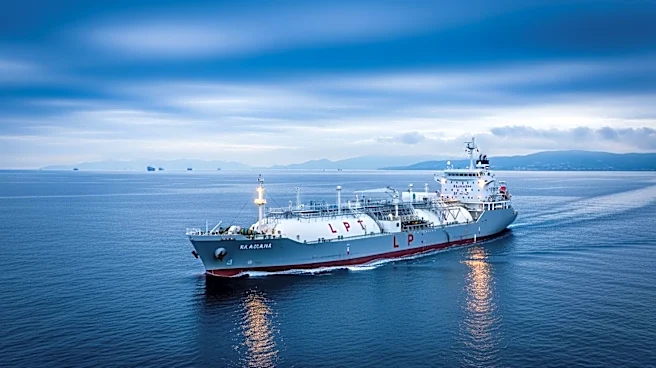
The ongoing conflict between the U.S. and Iran has significantly impacted global fertilizer markets, causing supply disruptions and price volatility. The Strait of Hormuz, a critical chokepoint for global trade, has seen reduced shipments of urea, sulfur,
and related products. This has forced buyers to seek alternative supplies at higher costs. The conflict has also affected India's fertilizer supply, crucial for its upcoming kharif season, prompting considerations for additional imports and government-to-government talks with China.
Why It's Important?
The disruption in fertilizer markets due to geopolitical tensions highlights the vulnerability of global supply chains to political conflicts. Fertilizer is a critical input for agriculture, and supply shortages can lead to increased costs for farmers, potentially affecting food production and prices. The situation underscores the need for diversified supply sources and strategic reserves to mitigate the impact of such disruptions. Countries heavily reliant on imports, like India, may need to reassess their supply strategies to ensure agricultural stability.
What's Next?
Stakeholders in the fertilizer industry may need to explore alternative supply routes and increase collaboration to stabilize the market. Diplomatic efforts could focus on resolving the conflict to restore trade flows through the Strait of Hormuz. Countries like India might accelerate talks with alternative suppliers to secure necessary inputs for their agricultural sectors. The industry may also see increased investment in domestic production capabilities to reduce reliance on volatile international markets.