




What's Happening?
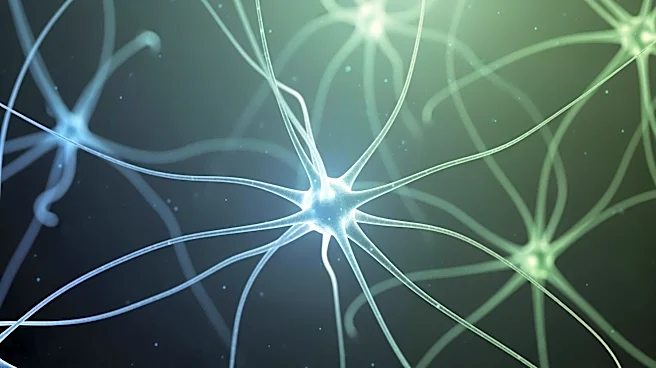
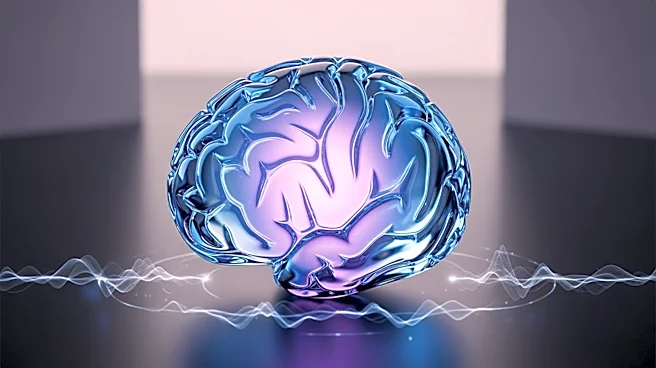
Orlando Swayne, a consultant neurologist, emphasizes the potential for recovery in patients with severe brain injuries through targeted therapy and neuroplasticity. His work at the National Hospital for Neurology and Neurosurgery focuses on the brain's
ability to reorganize and form new connections after a stroke or head injury. Swayne's approach challenges the traditional view that brain injuries are irreversible, advocating for early and intensive therapy to maximize recovery. His insights are detailed in his new book, which argues for the importance of providing adequate rehabilitation to improve patients' quality of life.
Why It's Important?
Stroke is a leading cause of disability, and the potential for recovery through neuroplasticity offers hope for millions affected by brain injuries. Swayne's work highlights the need for healthcare systems to prioritize rehabilitation, which can significantly reduce long-term care costs and improve patient outcomes. By demonstrating that targeted therapy can lead to meaningful improvements, this approach could influence public health policies and resource allocation. The economic implications are substantial, as effective rehabilitation can decrease the financial burden on healthcare systems and families.
What's Next?
The focus on neuroplasticity and rehabilitation may lead to changes in how stroke and brain injury patients are treated. Healthcare providers might increase investment in therapy programs, and policymakers could advocate for more comprehensive rehabilitation services. Research into enhancing neuroplasticity through drugs or technology could further improve recovery outcomes. As awareness grows, there may be a push for standardized rehabilitation protocols to ensure all patients receive the care needed to maximize their recovery potential.
Beyond the Headlines
Swayne's work underscores the ethical responsibility to provide adequate care for brain injury patients, challenging societal perceptions of disability and recovery. The emphasis on neuroplasticity also highlights the brain's remarkable adaptability, offering insights into human resilience and the potential for recovery even in severe cases. This perspective could shift how society views and supports individuals with brain injuries, promoting a more inclusive and hopeful approach to rehabilitation.