
What's Happening?
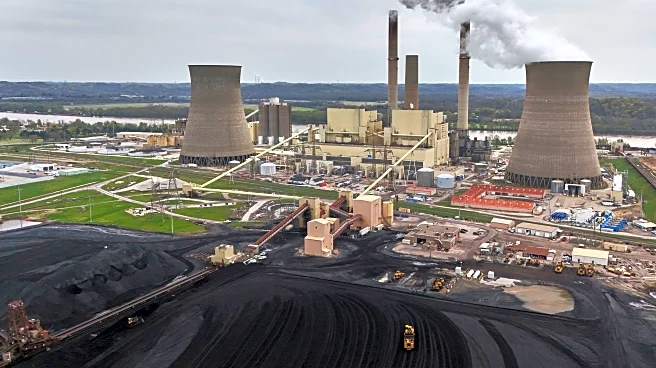
Five years after the catastrophic winter storm in 2021 that left millions of Texans without power, the state has made significant strides in strengthening its power grid. The Electric Reliability Council
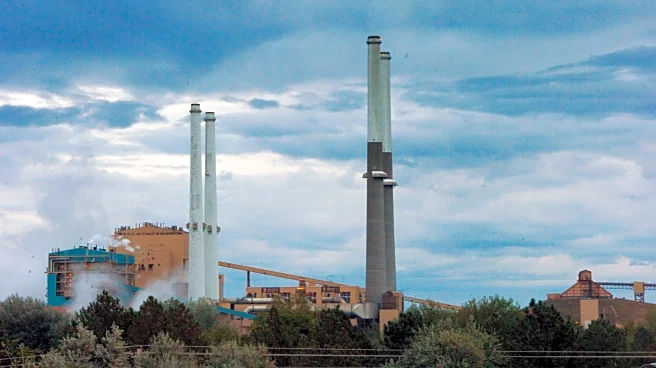
of Texas (ERCOT) has introduced rolling blackouts to prevent grid damage, and new standards have been implemented for power plants and gas facilities to withstand extreme winter weather. The Texas Advanced Energy Business Alliance reports that the state has increased its use of renewable energy sources and added more batteries to store electricity. Additionally, the Public Utility Commission of Texas has imposed fines for violations of new weatherization standards. Despite these improvements, challenges such as growing energy demand and aging infrastructure remain.
Why It's Important?
The reforms in Texas are crucial for preventing a repeat of the 2021 blackouts, which resulted in at least 246 deaths and significant economic damage. By enhancing grid reliability and increasing energy supply, Texas aims to protect its residents and economy from future extreme weather events. The changes also reflect a broader trend towards renewable energy and improved infrastructure resilience. However, the ongoing challenges highlight the need for continued investment and innovation in energy management. The state's approach could serve as a model for other regions facing similar climate-related challenges.
What's Next?
Texas will continue to address its energy challenges by further weatherizing its infrastructure and managing growing energy demands. The state is also focusing on improving communication between the energy industry and state agencies. As Texas adds more residents and industries like cryptocurrency mining, the demand for electricity will increase, necessitating ongoing adjustments to the grid. The effectiveness of these measures will likely be tested in future winter storms, and the state will need to remain vigilant in its efforts to maintain grid stability.
Beyond the Headlines
The reforms in Texas highlight the complex interplay between economic incentives and infrastructure resilience. While weatherization standards have been strengthened, the state's electricity market may not sufficiently incentivize power plant operators to produce adequate energy. This underscores the need for a balanced approach that considers both regulatory measures and market dynamics. The situation also raises questions about the long-term sustainability of Texas's energy strategy, particularly as the state continues to grow and diversify its energy sources.