





What's Happening?
Attorneys general from both Republican and Democratic-led states have urged the Environmental Protection Agency (EPA) to either scrap or advance its proposal to delay vehicle tailpipe emissions standards. The EPA proposed a two-year delay for a Biden-era
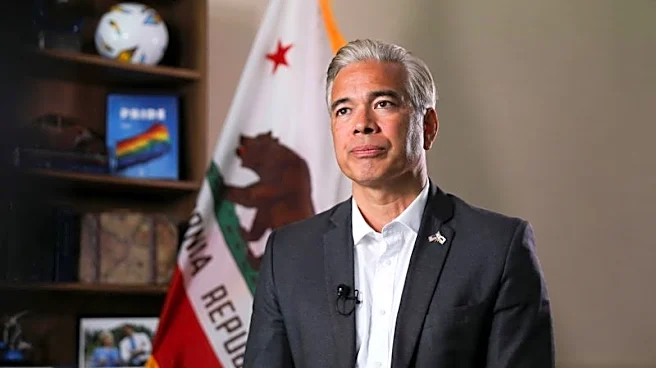
rule aimed at reducing vehicle emissions, citing concerns that the standards were unrealistic and would increase costs. California Attorney General Rob Bonta, along with other attorneys general, argued that automakers had already been given sufficient lead time before the standards were set to take effect.
Why It's Important?
The delay in implementing the EPA's tailpipe emissions standards has significant implications for environmental policy and the automotive industry. The standards are part of broader efforts to reduce greenhouse gas emissions and combat climate change. Delaying these standards could hinder progress towards these environmental goals and affect the U.S.'s ability to meet international climate commitments. The clash between states reflects broader political and ideological divides over environmental regulation and economic priorities, with potential impacts on public health and the automotive market.
What's Next?
The EPA's decision on whether to proceed with the delay or implement the standards as planned will be closely watched by stakeholders, including environmental groups, the automotive industry, and state governments. The outcome could influence future regulatory approaches to emissions and set a precedent for how environmental policies are negotiated and enforced in the U.S. The ongoing debate highlights the need for balancing environmental objectives with economic considerations and industry capabilities.