



What's Happening?
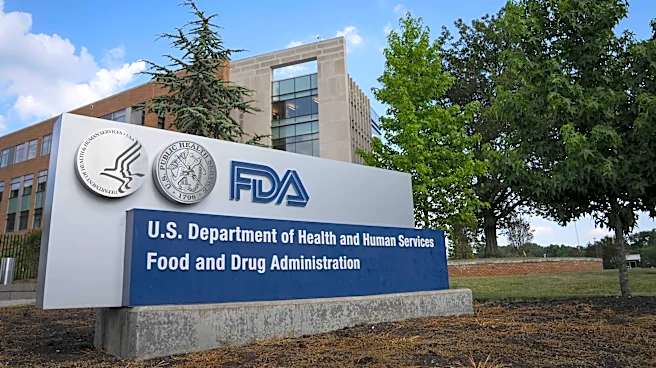
The Food and Drug Administration (FDA) has mandated that Ozempic and all other GLP-1 drugs sold in the United States must now include a warning about a rare eye condition known as nonarteritic anterior ischemic optic neuropathy (NAION). This condition,
often described as a 'stroke in the eye,' results from a sudden reduction of blood flow to the optic nerve, leading to damage and potentially permanent vision loss, typically in one eye. The warning applies to a range of GLP-1 medications, including Ozempic, Wegovy, Mounjaro, and Zepbound. The FDA's review of 126 clinical trials, involving over 134,000 patients, found approximately 6.4 cases of NAION per 100,000 GLP-1 users annually, compared to about 3.8 cases among those on a placebo or other diabetes drugs. While the FDA has not definitively proven that these drugs cause NAION, and a mechanism for such a link has not been identified, the agency emphasizes the importance of patient awareness regarding symptoms like sudden vision loss, blurry spots, or tunnel vision.
Why It's Important?
This new FDA warning is significant because it directly impacts millions of Americans currently using or considering GLP-1 medications for diabetes management and weight loss. The condition, NAION, can cause irreversible vision loss, which poses a serious health concern, especially since many individuals taking GLP-1s already have underlying risk factors for NAION, such as diabetes and high blood pressure. These are precisely the conditions GLP-1 drugs are prescribed to treat. The warning highlights a complex risk-benefit assessment for patients and healthcare providers, particularly within communities like Black Americans, who experience higher rates of diabetes and hypertension. While the risk is rare on an individual basis, the vast number of eligible U.S. adults for semaglutide (estimated at over 137 million by CVS Health) means that even a rare risk can translate into a substantial number of actual cases across the population. This development could lead to increased patient counseling, more rigorous monitoring by prescribers, and potential legal implications, as hundreds of U.S. patients have already sued manufacturers claiming lack of warning.
What's Next?
Patients currently on GLP-1 medications who experience sudden vision changes are advised to contact a healthcare professional immediately. If NAION is confirmed, the FDA recommends that prescribers consider discontinuing the GLP-1 drug unless the benefits clearly outweigh the risks for that individual. For all other patients, decisions about continuing medication should be made in consultation with their doctor, taking into account their complete health profile. Manufacturers like Novo Nordisk and Eli Lilly maintain confidence in their drugs' benefits and are evaluating the FDA's update. This new warning is expected to prompt more detailed discussions between patients and their healthcare providers about potential risks and benefits. It may also influence future prescribing patterns and drug development, potentially leading to further research into the causal link between GLP-1s and NAION, or the development of screening protocols for at-risk individuals. The legal landscape may also evolve as more patients become aware of this potential side effect.
Beyond the Headlines
The FDA's new warning for GLP-1 drugs regarding NAION extends beyond immediate patient safety to touch upon broader ethical and public health considerations. The challenge lies in balancing the significant benefits of these drugs in managing diabetes and obesity against rare but severe side effects. This situation underscores the complexities of pharmacovigilance, where rare adverse events may only become apparent after widespread drug use. It also highlights disparities in health outcomes, as communities with higher rates of diabetes and hypertension, who are often prescribed these drugs, may face a disproportionately higher baseline risk for NAION. The lack of a proven causal mechanism for NAION in GLP-1 users further complicates the issue, raising questions about whether the drugs unmask a pre-existing vulnerability or directly contribute to the condition. This scenario emphasizes the ongoing need for robust post-market surveillance and transparent communication between regulatory bodies, pharmaceutical companies, and the public to ensure informed decision-making in healthcare.