




What's Happening?
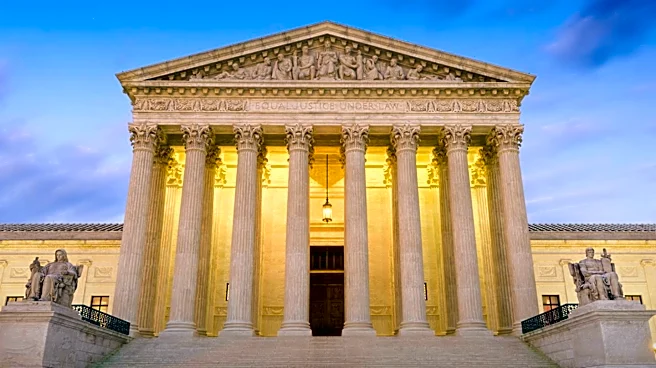
President Donald Trump is preparing to introduce a new set of tariffs after the Supreme Court struck down his previous import levies in February. The Trump administration has been exploring legal avenues to reinstate these tariffs, relying on various
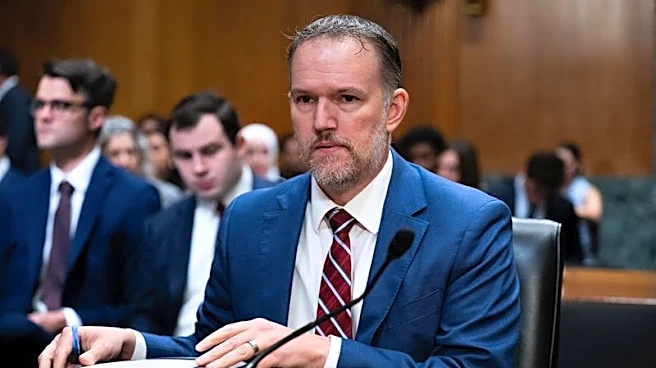
trade laws that are narrower and slower, and subject to legal challenges. US Trade Representative Jamieson Greer stated that while the specific authorities have changed, the trade strategy remains consistent. The new tariffs, referred to as Plan C, are expected to be announced on Friday, marking another attempt by the administration to implement its trade agenda.
Why It's Important?
The introduction of new tariffs by President Trump could have significant implications for international trade and the U.S. economy. Tariffs can affect the cost of imported goods, potentially leading to higher prices for consumers and impacting businesses that rely on foreign products. Additionally, these measures could provoke retaliatory actions from other countries, affecting U.S. exports. The administration's persistence in pursuing tariffs underscores its commitment to reshaping trade policies, which could influence global trade dynamics and economic relations.
What's Next?
The announcement of new tariffs is likely to prompt reactions from various stakeholders, including businesses, trade partners, and political leaders. Companies affected by the tariffs may seek legal recourse or lobby for exemptions, while trade partners could respond with their own tariffs or negotiations. The administration will need to navigate potential legal challenges and diplomatic tensions as it implements its trade strategy. Observers will be watching closely to see how these developments unfold and impact the broader economic landscape.