






What's Happening?
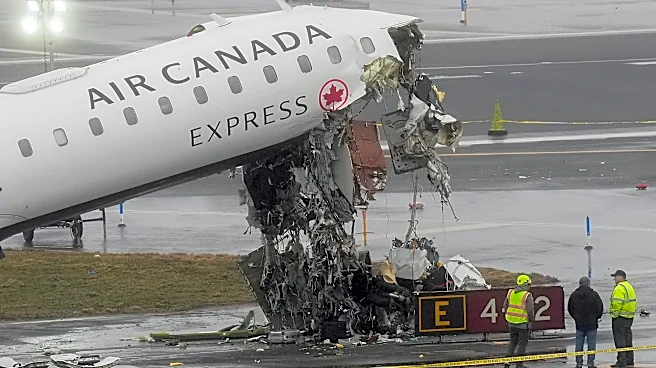
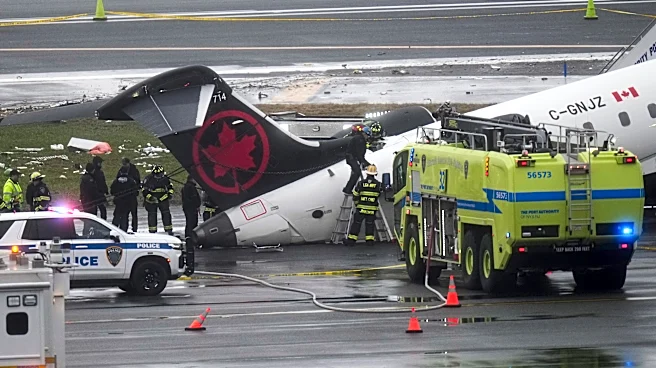
The National Transportation Safety Board (NTSB) has released a preliminary report on the March 22, 2026, crash at LaGuardia Airport involving a commercial jet and a fire truck. The collision resulted in the deaths of two pilots and injuries to dozens
of others. The report identifies several contributing factors, including the absence of transponders on the fire trucks, which could have provided an automatic warning to air traffic controllers. This lack of technology prevented the system from identifying and tracking the positions of the emergency vehicles, leading to the collision. The report also notes that the fire trucks made multiple attempts to contact the air traffic control tower for permission to cross the runway, but a simultaneous transmission obscured the call. The Air Canada jet was in its final descent when the collision occurred.
Why It's Important?
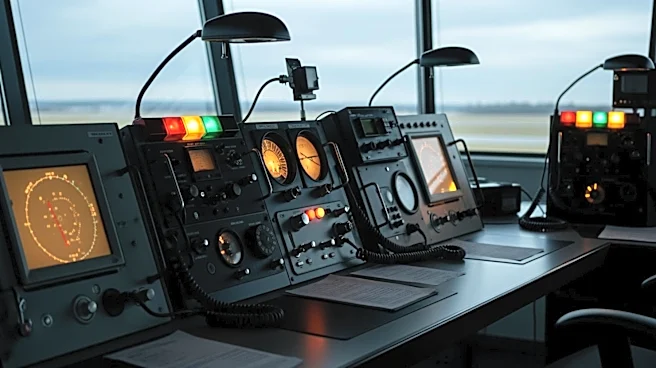
This incident underscores the critical need for improved safety measures at airports, particularly regarding the integration of technology in emergency response vehicles. The absence of transponders on the fire trucks highlights a significant gap in safety protocols that could prevent future accidents. The report's findings may prompt regulatory changes by the Federal Aviation Administration (FAA) to mandate such technology in emergency vehicles. This could enhance the safety of both air travel and ground operations, potentially saving lives and reducing the risk of similar tragedies. The incident also raises questions about staffing and communication protocols in air traffic control, which could lead to further investigations and reforms.
What's Next?
The NTSB's investigation is ongoing, with a final report expected to take about a year. In the meantime, the FAA and airport authorities may consider interim measures to address the identified safety gaps. This could include the installation of transponders on emergency vehicles and a review of air traffic control staffing and communication procedures. Stakeholders such as airlines, airport operators, and emergency services will likely be involved in discussions to enhance safety protocols. The findings may also influence future training and operational guidelines for air traffic controllers and emergency responders.