






What's Happening?
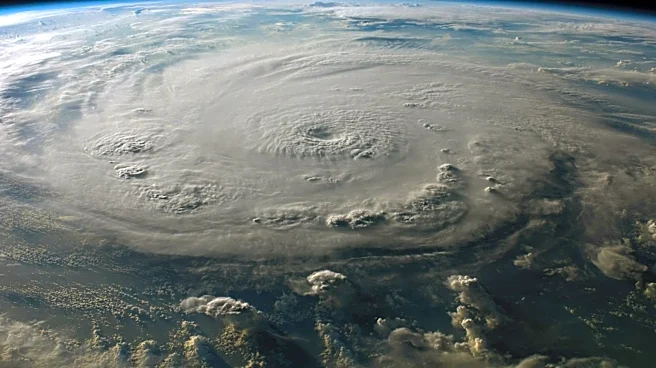
The National Oceanic and Atmospheric Administration (NOAA) has released its forecast for the 2026 Atlantic hurricane season, predicting a below-average season. This outlook is largely influenced by the anticipated development of a strong El Niño pattern
by late summer. NOAA expects between eight and 14 named storms, with three to six potentially becoming hurricanes, and one to three of those reaching major hurricane status. Historically, El Niño is known to suppress hurricane activity in the Atlantic by increasing wind shear, which disrupts storm formation. However, the Atlantic Ocean's current warmer-than-normal sea surface temperatures could still fuel storm development.
Why It's Important?
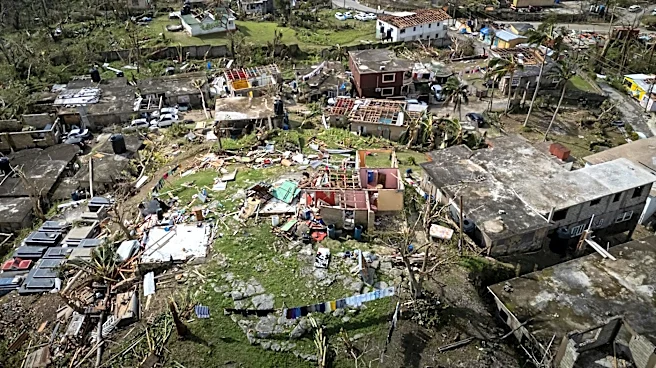
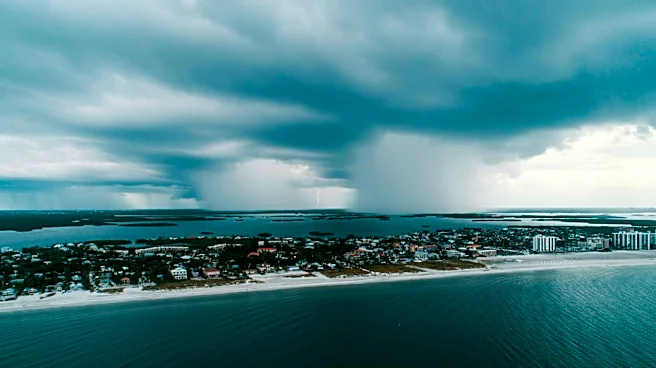
The forecast of a below-average hurricane season is significant as it suggests a potentially less destructive season for the Atlantic region. However, the presence of El Niño, while generally reducing hurricane activity, does not eliminate the risk of severe storms. The warmer sea surface temperatures could still lead to the development of powerful storms, posing a threat to coastal communities. This forecast highlights the importance of preparedness, as even a single storm can cause significant damage. The economic and social impacts of hurricanes can be profound, affecting infrastructure, housing, and local economies.
What's Next?
As the hurricane season approaches, NOAA emphasizes the need for preparedness despite the below-average forecast. The first named storm of the season is expected to be Arthur. NOAA advises residents in hurricane-prone areas to review and update their emergency plans. The agency will continue to monitor oceanic and atmospheric conditions, providing updates as necessary. The potential for El Niño to influence the season underscores the need for vigilance, as the pattern can lead to unpredictable weather outcomes.