








What's Happening?
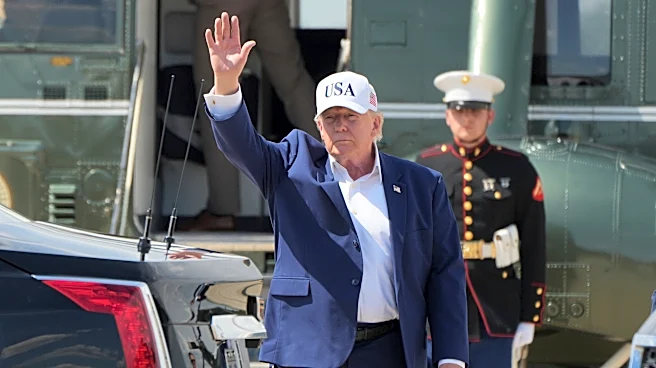
U.S. intelligence officials have informed President Trump that Israeli Prime Minister Benjamin Netanyahu is likely to take actions that could undermine efforts to secure a lasting peace agreement with Iran. This warning comes as Israel approaches its
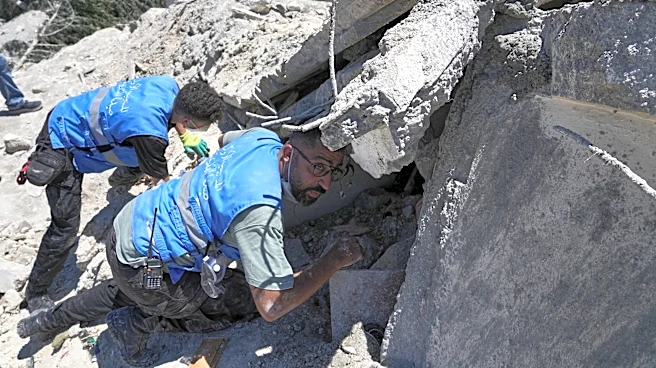
October elections, with Netanyahu reportedly considering an intensified campaign against Hezbollah. The intelligence assessment suggests that any truce or withdrawal of the Israel Defense Forces (IDF) could be perceived as a defeat within Israel, potentially influencing Netanyahu's actions. The situation is further complicated by existing tensions between President Trump and Republican senators over the Iran agreement.
Why It's Important?
The potential actions by Netanyahu could have significant implications for U.S.-Israel relations and the broader Middle East peace process. If Netanyahu moves to sabotage the Iran deal, it could strain diplomatic ties between the U.S. and Israel, especially given the Trump administration's efforts to negotiate with Iran. Such actions could also escalate regional tensions, particularly with Hezbollah, and impact the stability of the Middle East. The situation underscores the delicate balance of international diplomacy and the influence of domestic politics on foreign policy decisions.
What's Next?
As the Israeli elections approach, the international community will be closely monitoring Netanyahu's actions and their impact on the Iran deal. Potential responses from the U.S. could include diplomatic pressure or reassessment of its Middle East strategy. The outcome of the Israeli elections may also influence Netanyahu's approach, depending on the political landscape and public opinion in Israel. Key stakeholders, including U.S. lawmakers and international allies, will likely engage in discussions to address the potential fallout from any actions taken by Netanyahu.