






What's Happening?
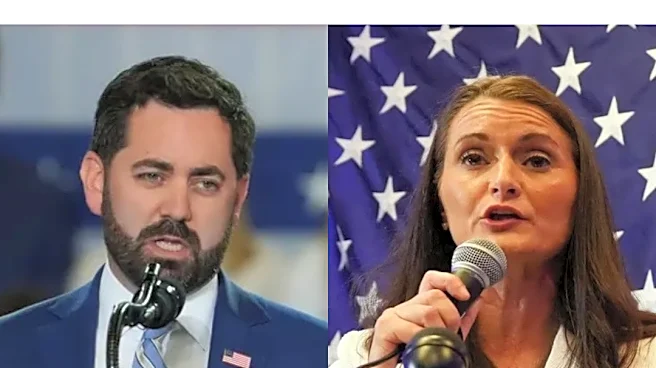
With just over a month until Election Day, New York Governor Kathy Hochul and Republican challenger Nassau County Executive Bruce Blakeman are actively campaigning on their respective tax relief proposals. Blakeman is advocating for what he describes
as the largest income tax cut in New York's history, proposing a restructuring of state spending, including reallocating funds from immigrant and refugee assistance. His plan suggests that joint filers earning $100,000 would pay no state income tax, saving them $4,000 annually. Governor Hochul, on the other hand, is highlighting her administration's record of delivering tax relief alongside the state Legislature. She points to initiatives such as $1,000 rebates for families with children under four, a billion dollars in energy rebates, and middle-class and property tax rebates. Hochul also emphasized that there have been no increases in income or corporate taxes during her tenure as governor, despite facing pressure from progressive groups to raise taxes on the wealthy. Her campaign recently reported significant fundraising figures, with $8.5 million raised in the September filing period, bringing her total cash on hand to over $18.5 million, and the New York State Democratic Party holding over $15 million.
Why It's Important?
The focus on tax relief by both gubernatorial candidates underscores the critical role of the cost of living as a central issue in the upcoming New York election. Blakeman's proposal for a substantial income tax cut, if implemented, could significantly alter the state's fiscal landscape and potentially impact public services by reallocating funds. His emphasis on reducing the tax burden aims to make New York more affordable, a key concern for many residents. Conversely, Governor Hochul's defense of her existing tax relief measures and her resistance to broad tax increases on the wealthy reflect a different approach to fiscal management, balancing affordability with the state's revenue needs. The debate over tax policy will directly affect New York's residents and businesses, influencing their disposable income, the cost of goods and services, and the funding available for state programs. The outcome of this election will determine the direction of New York's economic policy, with potential implications for its competitiveness and the financial well-being of its diverse population.
What's Next?
As Election Day approaches, both Governor Hochul and Bruce Blakeman are expected to intensify their campaigns, continuing to present their tax relief plans to voters across New York. Blakeman will likely further detail how his proposed income tax cuts would be funded through spending restructuring, particularly regarding the reallocation of funds from immigrant and refugee assistance. Governor Hochul will continue to highlight her administration's track record of delivering targeted tax relief and emphasize her commitment to fiscal responsibility without broad tax increases. The upcoming campaign finance filing deadline on October 2 will provide further insight into the financial strength of both campaigns. If reelected, Governor Hochul may face renewed pressure from progressive voices in the Legislature to increase taxes on the wealthy, potentially leading to further debates on state fiscal policy. The election's outcome will set the stage for New York's budgetary priorities and tax structure in the coming years.
Beyond the Headlines
The intense focus on tax relief in the New York gubernatorial race reflects a broader national conversation about affordability and the role of government in managing economic burdens. Blakeman's proposal to reallocate funds from immigrant and refugee assistance to finance tax cuts highlights a contentious aspect of fiscal policy, where social spending is weighed against tax reductions. This approach could spark ethical debates about the state's responsibility to vulnerable populations versus its obligation to reduce the tax burden on its citizens. Governor Hochul's strategy of emphasizing existing relief and resisting broad tax increases on the wealthy also touches upon the ongoing discussion about wealth distribution and economic equity. The election in New York could serve as a bellwether for how states navigate the complex interplay between economic growth, social welfare, and tax policy in an environment where the cost of living remains a primary concern for voters. The long-term implications could include shifts in demographic patterns if affordability continues to drive residents out of the state, or conversely, a renewed sense of economic stability if effective tax relief measures are implemented.