
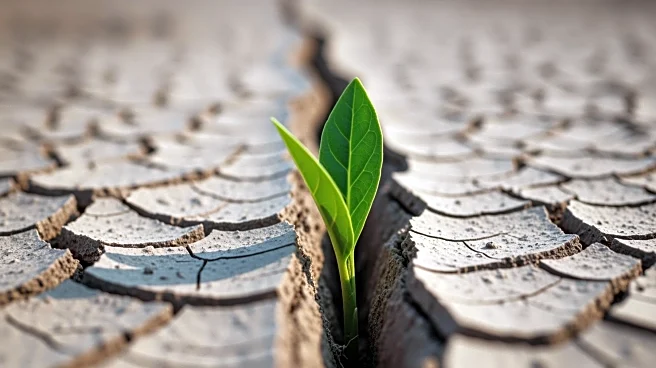
What's Happening?
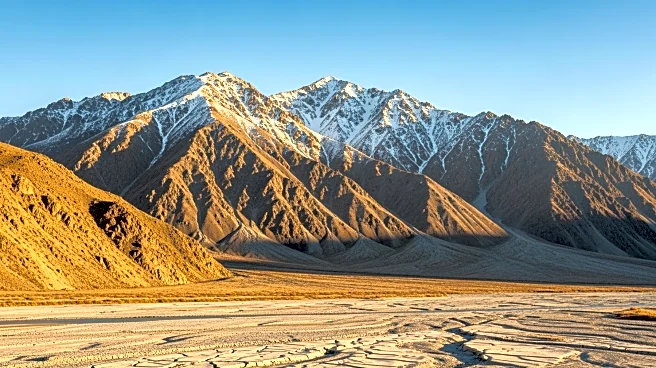
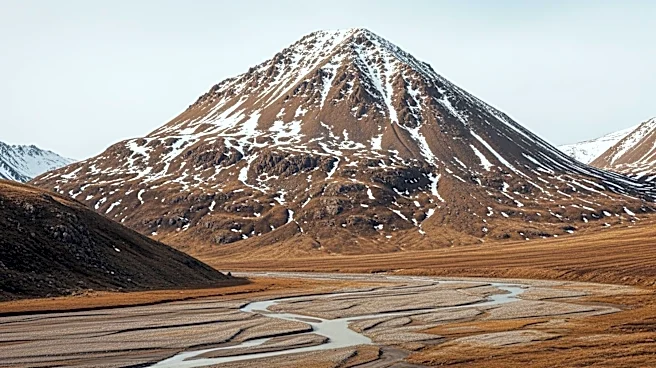
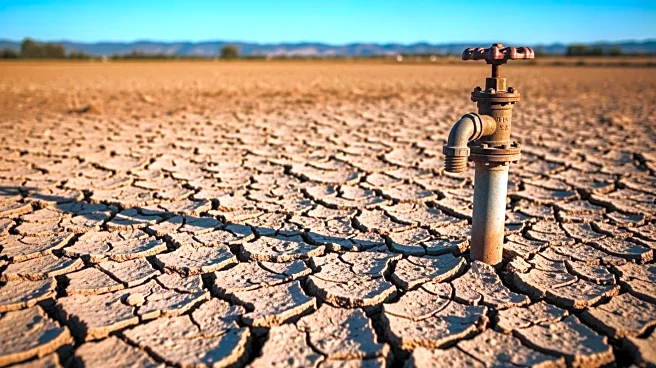
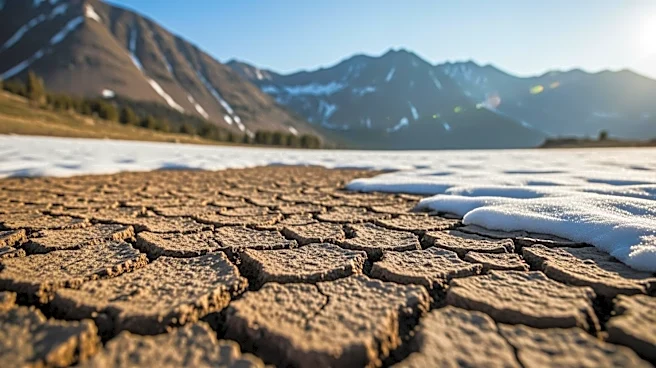
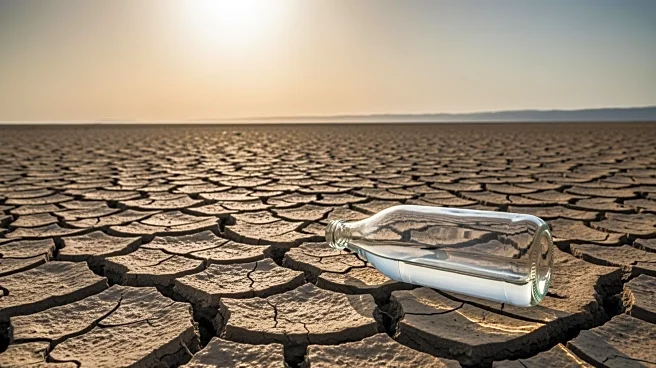
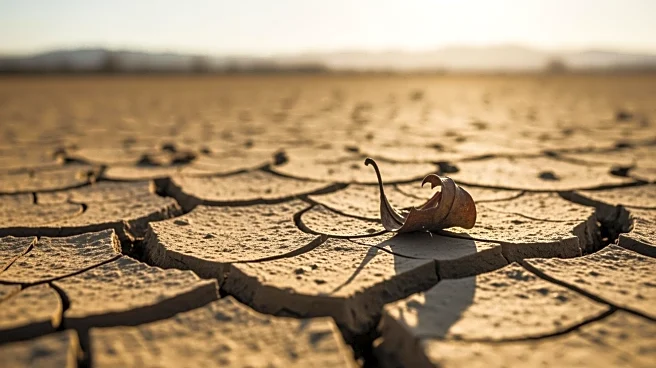
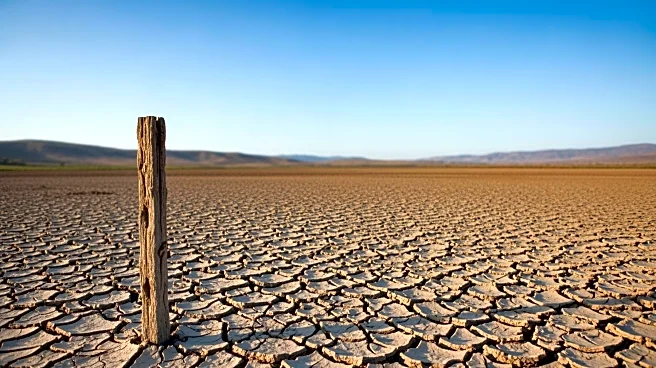
The Western United States is experiencing a severe drought, leading to significant water restrictions across states such as Arizona, Colorado, Utah, and Wyoming. This development follows an unusually warm and dry winter, which has alarmed civic officials
and climatologists. As a result, measures are being implemented to limit water usage, including restrictions on watering lawns, washing cars, and serving water in restaurants. The situation has forced families, like the McLaughlins, to alter vacation plans due to the lack of snow in typically snowy regions. Experts warn that the upcoming summer could be dangerously dry, exacerbating the current water scarcity.
Why It's Important?
The drought in the Western U.S. has far-reaching implications for the region's agriculture, economy, and daily life. Water scarcity can lead to increased costs for farmers, affecting food supply and prices nationwide. Urban areas may face challenges in maintaining green spaces and supporting population growth. The restrictions highlight the urgent need for sustainable water management practices and could prompt policy changes at local and state levels. The situation underscores the broader impacts of climate variability and the necessity for adaptive strategies to mitigate future water shortages.
What's Next?
As the drought persists, further restrictions may be implemented, affecting more sectors and communities. Policymakers and water management authorities will likely explore long-term solutions, such as investing in water-saving technologies and infrastructure improvements. Public awareness campaigns may be launched to encourage conservation efforts. The situation could also influence legislative agendas, prompting discussions on water rights and interstate water agreements. Stakeholders, including environmental groups and agricultural associations, will play a crucial role in shaping the response to this ongoing crisis.