





What's Happening?
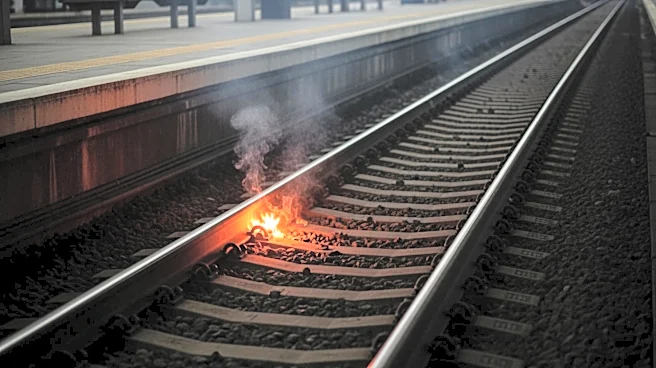
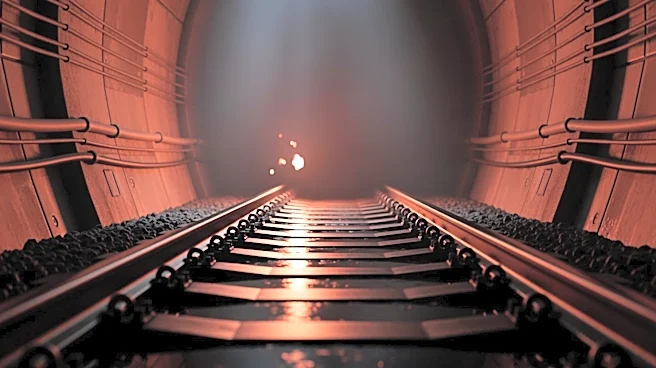
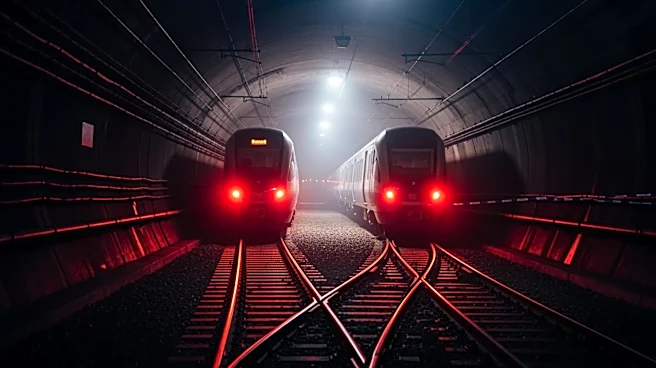
A fire in a tunnel connecting the Long Island Rail Road (LIRR) between Manhattan and Queens has caused significant disruptions for commuters. The fire, which broke out on Thursday, led to the closure of the East River tunnels, affecting services of LIRR,
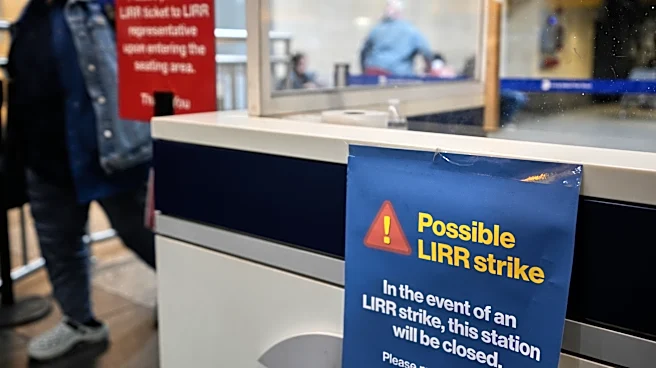
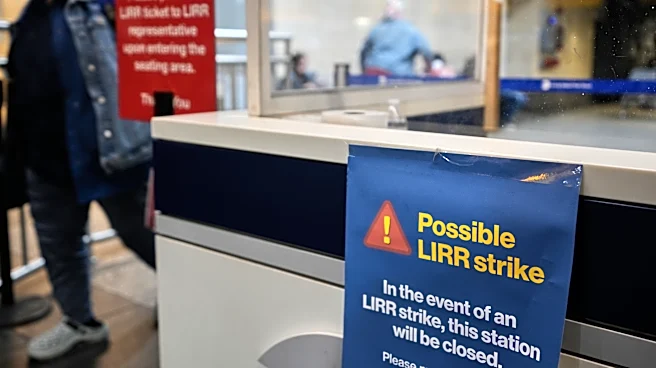
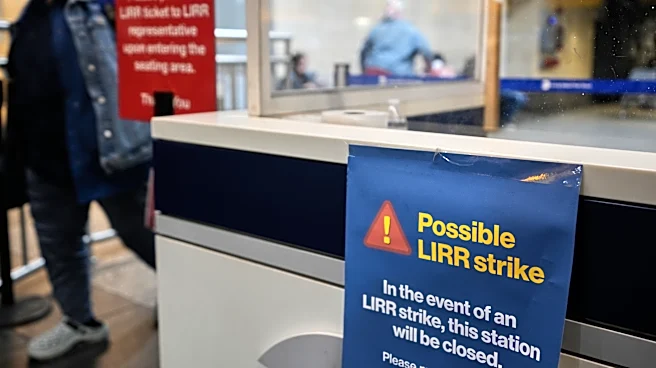
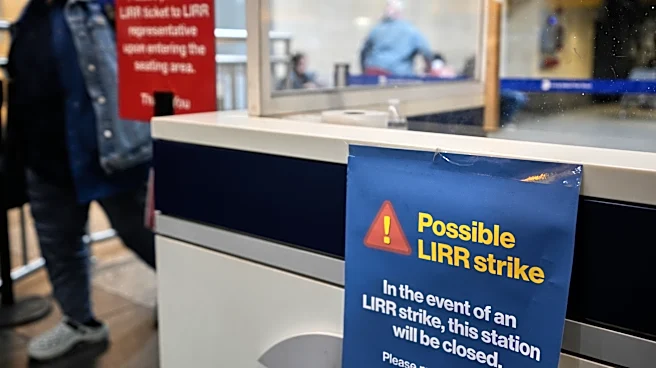
NJ Transit, and Amtrak. As a result, NJ Transit has diverted its Midtown direct service to the Hoboken terminal, while LIRR has rerouted most of its trains to Grand Central or Atlantic Terminal, with no westbound service to Penn Station. The cause of the fire is still under investigation, and it took over an hour to extinguish. Amtrak has warned of potential 40-minute delays for trains passing through the New York area. The disruptions come as LIRR faces a potential service shutdown due to a stalemate in negotiations between the MTA and unions over pay raises and work rules.
Why It's Important?
The disruptions highlight the vulnerability of critical infrastructure and the cascading effects such incidents can have on regional transit systems. The fire not only affects daily commuters but also has broader implications for the Northeast Corridor, a vital rail link for the region. The potential strike by LIRR workers further complicates the situation, threatening to exacerbate commuter frustrations and economic impacts. The incident underscores the need for robust infrastructure maintenance and effective labor negotiations to prevent service interruptions that can have significant economic and social consequences.
What's Next?
Amtrak plans to reopen the East River tunnels by 5 a.m. Saturday, which may alleviate some of the current disruptions. However, the ongoing labor negotiations between the MTA and LIRR unions remain a critical issue. If a resolution is not reached, a strike could lead to a complete shutdown of LIRR services, affecting thousands of commuters. Stakeholders, including political leaders and transit authorities, will need to address both the immediate and long-term challenges posed by infrastructure vulnerabilities and labor disputes to ensure reliable transit services.