






What's Happening?
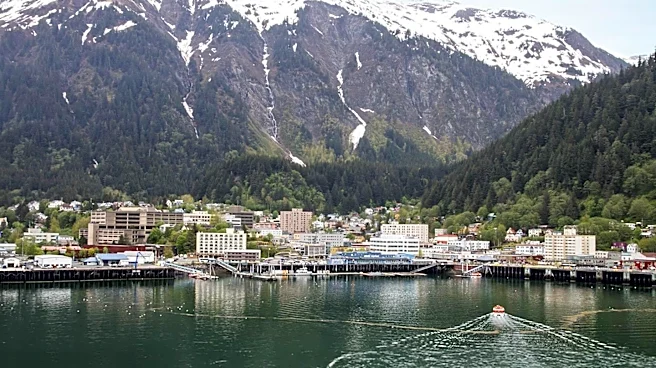
Juneau is projected to experience a substantial population decline of 24%, from 31,182 residents in 2025 to 23,589 by 2055, according to a recently released state analysis. This forecast was presented at the Southeast Conference annual meeting by Meilani
Schijvens, owner of Rain Coast Data, who also highlighted a strong current economy in Southeast Alaska. The region as a whole is expected to see a 22% population drop, nearly 16,000 people, over the next three decades. This includes a 35% decrease in individuals aged 0-19, a 21% drop in those aged 20-59, and a 14% reduction in the 60 and older demographic. While the number of jobs in Southeast Alaska reached a record high of 46,988 in 2025, the types of employment are shifting significantly. Mining, tourism, healthcare, and professional/business sectors have seen job growth, while social assistance, state government, seafood, and retail have experienced declines. Inflation has risen 24% between 2020 and 2026, with average wages increasing slightly more at 24.5%.
Why It's Important?
The projected population decline in Juneau and Southeast Alaska poses significant challenges for the region's long-term economic and social stability. A shrinking population, particularly across all age groups, can lead to a reduced workforce, decreased tax revenues, and strain on essential services like healthcare and education. The shift in job sectors, while showing growth in some areas like tourism and mining, also indicates a decline in traditional industries and public sector employment, which could impact the region's economic diversity and resilience. The warning about population loss, despite a currently strong economy, highlights the need for proactive strategies to attract and retain residents. This demographic trend could affect everything from housing demand and infrastructure planning to the availability of skilled labor and the overall vibrancy of communities.
What's Next?
To counter the predicted population decline, Meilani Schijvens emphasized that changes are necessary, suggesting that the forecast is not an unalterable fate. Key actions proposed include expanding affordable childcare, restoring reliable transportation, investing in schools and essential services, and retaining state and federal jobs. Addressing the housing shortage is also critical, though the solution is not merely building more units but also considering the changing household demographics, such as more seniors living alone. Regional leaders and policymakers will likely need to develop and implement comprehensive strategies focusing on these areas to mitigate the projected demographic shifts and ensure the long-term sustainability of Juneau and Southeast Alaska. These efforts will require collaboration between government, businesses, and community organizations.
Beyond the Headlines
The demographic projections for Juneau and Southeast Alaska reveal deeper societal and economic implications. The decline in younger populations could lead to an aging workforce and a reduced pool of future innovators and entrepreneurs. The emphasis on affordable childcare and robust educational systems points to the critical role of social infrastructure in retaining families and attracting new residents. Furthermore, the discussion around housing highlights a complex issue where supply and demand are influenced by changing household structures, not just overall population numbers. This situation could trigger a re-evaluation of regional development policies, potentially leading to innovative approaches in urban planning, economic diversification, and community building to create a more attractive and sustainable environment for current and future residents. The challenge extends beyond economic figures to the very fabric of community life and identity.