






What's Happening?
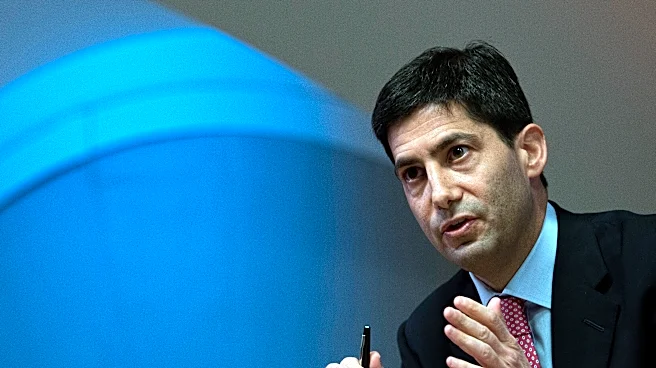
Rep. Seth Moulton of Massachusetts has become the first member of Congress to prohibit his staff from participating in prediction markets, such as Kalshi and Polymarket. This decision has garnered bipartisan support, with lawmakers from both parties acknowledging
the potential for corruption these markets pose. Moulton's move comes amid broader discussions in Washington about the ethical implications of prediction markets, which allow users to bet on the outcomes of political and economic events. While there is no concrete evidence of widespread use among Capitol Hill staff, concerns have been raised about the potential for insider trading, particularly in light of recent well-timed trades related to international events. The White House has also issued warnings to its staff against engaging in such trades, emphasizing adherence to government ethics guidelines.
Why It's Important?
The decision by Rep. Moulton highlights growing concerns about the ethical implications of prediction markets, which could potentially allow individuals with insider knowledge to profit unfairly. This move could set a precedent for other lawmakers to follow, potentially leading to broader legislative action. The issue is particularly significant as it touches on the integrity of public officials and the potential for conflicts of interest. If more members of Congress adopt similar bans, it could lead to a shift in how prediction markets are regulated and perceived, impacting both the political landscape and the financial industry that supports these platforms.
What's Next?
While Moulton's policy is currently limited to his office, it may inspire other lawmakers to implement similar bans. Additionally, there are several legislative proposals under consideration that aim to regulate prediction markets more strictly, though none are close to becoming law. The Trump administration's relatively lenient stance on the industry suggests that significant regulatory changes may not occur in the immediate future. However, continued advocacy from lawmakers like Moulton could increase pressure for reform, potentially leading to new regulations that address the ethical concerns associated with prediction markets.