






What's Happening?
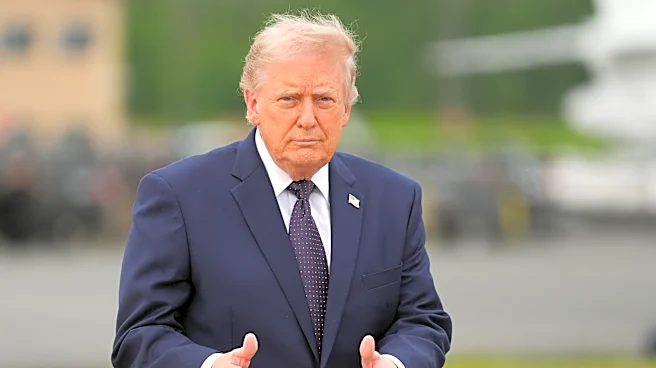
President Trump has proposed a temporary suspension of the federal gas tax, which currently stands at 18.4 cents per gallon, as a measure to alleviate the financial burden on drivers facing high gasoline prices. This proposal comes in response to the economic
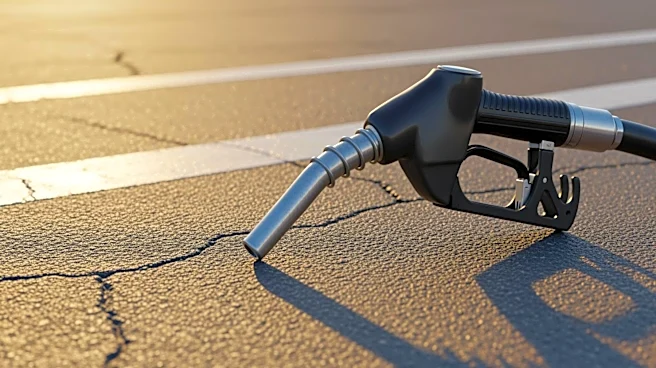
strain caused by the ongoing conflict with Iran, which has disrupted oil trade and driven gasoline prices to four-year highs. The gas tax holiday would require congressional approval, and while it promises immediate relief at the pump, it has sparked debate over its long-term implications. Critics argue that such a measure could reduce funding for the Highway Trust Fund, which finances road construction and maintenance, potentially exacerbating the already significant issue of road deterioration across the U.S.
Why It's Important?
The proposal for a gas tax holiday highlights the broader challenge of funding road infrastructure in the U.S. The federal gas tax has not been sufficient to cover highway construction and repair costs for years, leading to a reliance on general taxpayer funds to fill the gap. This shortfall is compounded by the increasing adoption of fuel-efficient and electric vehicles, which contribute less to gas tax revenues. The debate over the gas tax holiday underscores the need for sustainable funding solutions for road maintenance, as poor road conditions cost drivers billions annually in vehicle repairs. The proposal also raises questions about the balance between providing immediate economic relief and ensuring long-term infrastructure investment.
What's Next?
If the gas tax holiday is implemented, it could temporarily ease financial pressure on drivers but may also lead to increased gasoline demand, potentially driving prices higher. The proposal's success in Congress remains uncertain, as lawmakers weigh the benefits of short-term relief against the potential long-term impact on infrastructure funding. Additionally, states may consider their own measures to address road maintenance funding, such as road-user fees or congestion charges, as they grapple with similar challenges. The outcome of this proposal could influence future policy decisions regarding transportation funding and infrastructure investment.