




What's Happening?
eufy has released guidance for homeowners on how to determine if someone has been in their house and the steps to take after a potential break-in. The advice includes checking for signs like forced doors, broken windows, or moved objects, and reviewing
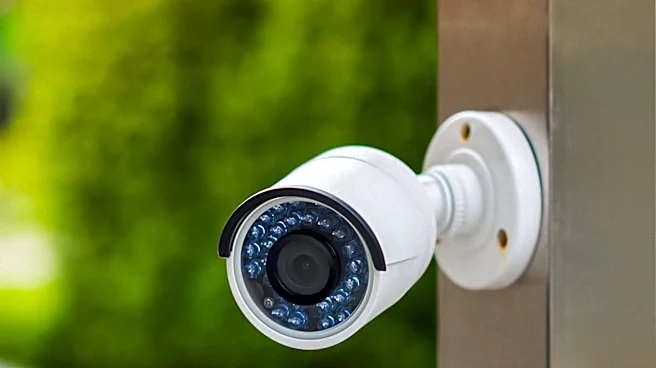
security device records. If a break-in is confirmed, homeowners are advised to call 911, avoid touching anything, and contact their insurer. To enhance future security, eufy recommends installing devices such as the eufy Floodlight Camera E340 for deterrence, eufy Entry Sensor E20 for door/window alerts, eufy Video Doorbell S4 for front door monitoring, and eufy Indoor Cam S350 for continuous indoor recording. These devices aim to provide immediate alerts and visual evidence of intrusions.
Why It's Important?
This guidance from eufy is crucial for U.S. homeowners, as it provides a clear, actionable framework for responding to a potentially traumatic event like a home invasion. By outlining steps from initial assessment to police contact and insurance claims, it helps individuals navigate a stressful situation effectively. The emphasis on upgrading security with smart devices highlights the growing role of technology in personal safety and crime prevention. For the home security industry, this underscores the importance of not just selling products, but also educating consumers on their proper use and the broader context of home protection. The recommendations aim to empower homeowners to deter future incidents and gather critical evidence, thereby enhancing both their physical safety and peace of mind.
What's Next?
The trend towards integrated smart home security systems, as promoted by eufy, is expected to continue, with further advancements in device interoperability and AI-driven analytics. Future developments may include more sophisticated predictive capabilities, where systems can identify unusual patterns before a break-in occurs, and enhanced integration with local law enforcement for faster response times. Consumers can anticipate more user-friendly interfaces and comprehensive security ecosystems that combine deterrence, detection, and evidence collection seamlessly. The focus will likely be on creating 'smart' homes that are not only secure but also proactive in identifying and mitigating threats, potentially leading to new standards for residential security technology and homeowner preparedness.
Beyond the Headlines
The advice on responding to break-ins and upgrading security systems from eufy reflects a deeper societal concern about personal safety and the increasing reliance on technology to address it. This trend highlights a cultural shift where individuals are taking more proactive roles in securing their homes, often through DIY solutions. Ethically, the widespread deployment of indoor and outdoor cameras raises questions about privacy, not just for homeowners but also for visitors and neighbors who may be captured on these devices. The collection and storage of video footage, especially continuous recordings, necessitate robust data security measures and clear policies on data access and retention. This evolution in home security also influences the psychological aspect of safety, as technology aims to restore a sense of control and peace of mind after a violation, but also introduces new anxieties related to digital vulnerabilities.