






What's Happening?
The ongoing conflict involving Iran, Israel, and several Gulf countries has significantly impacted global mining and metals markets, primarily through increased energy costs and logistical disruptions. A ceasefire brokered by Pakistan has temporarily
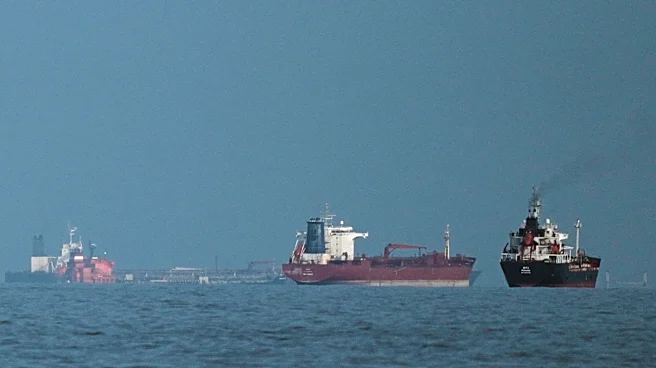
reduced escalation risks but has not restored normal operations in energy and shipping systems. The conflict, which began on February 28, 2026, has led to higher energy prices, shipping disruptions, and increased insurance costs, affecting commodity supply chains worldwide. The mining industry faces rising costs and disruptions, particularly in processing infrastructure like aluminium smelting. The Strait of Hormuz, a critical maritime chokepoint, remains a significant transmission channel for these disruptions, handling a substantial portion of global seaborne oil trade. The conflict has highlighted the structural vulnerabilities of mining supply chains, which are heavily reliant on concentrated trade routes and energy markets.
Why It's Important?
The disruptions caused by the conflict have far-reaching implications for global industries, particularly those reliant on mining and metals. Rising energy costs and logistical challenges are increasing operational expenses for mining companies, potentially leading to higher prices for metals and minerals. This situation underscores the need for more resilient supply chains and diversified energy sources. The conflict's impact on aluminium production is particularly concerning, as it could lead to supply shortages and increased prices in key import markets like Europe and the U.S. The broader disruption to oil and gas markets is prompting shifts in energy use, with some regions increasing reliance on coal and nuclear power. These developments highlight the interconnectedness of global supply chains and the potential for geopolitical events to cause widespread economic ripple effects.
What's Next?
The temporary ceasefire provides some relief, but the risk of renewed conflict remains. Mining companies may need to invest in more resilient processing and logistics systems to mitigate future disruptions. The conflict could accelerate the shift towards electrification and renewable energy integration in the mining sector, as companies seek to reduce dependence on conventional fuels. Stakeholders, including governments and industry leaders, may need to reassess their strategies to ensure energy security and supply chain resilience. The situation also calls for increased international cooperation to address the vulnerabilities exposed by the conflict and to develop more sustainable and secure supply chains.