






What's Happening?
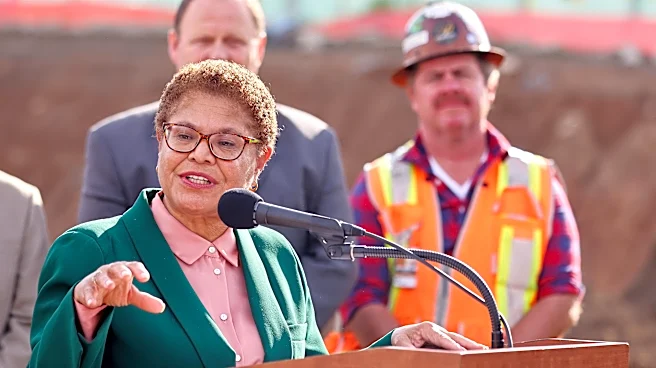
Los Angeles Mayor Karen Bass recently inaugurated a new taxpayer-funded homeless housing project in North Hills, a converted Motel 6, with a total cost of $72 million. This 111-unit property, located on Roscoe Boulevard near the 405 Freeway, represents
the latest initiative in Los Angeles' ongoing effort to transform former motels and hotels into housing for the homeless. The project's cost breaks down to approximately $648,649 per unit, a figure that has drawn scrutiny. Mayor Bass toured the renovated rooms and praised the accommodations, highlighting the communal spaces and counseling facilities as crucial for residents to rebuild their lives. The facility will be managed by Hope the Mission, a non-profit organization providing homeless services, which will offer residents three meals daily, case management, housing navigation, and other supportive services. This project is part of California Governor Gavin Newsom's Homekey initiative, which has allocated billions of dollars to convert existing buildings into housing for homeless individuals across California.
Why It's Important?
The unveiling of this $72 million homeless housing project in Los Angeles is significant due to its substantial cost to taxpayers and its role in addressing the city's severe homelessness crisis. The per-unit cost of nearly $650,000 for a converted motel raises questions about the efficiency and financial sustainability of such initiatives, especially given Los Angeles' mounting budget pressures. While the project aims to provide much-needed housing and supportive services, the high expenditure could lead to public debate regarding alternative, potentially more cost-effective solutions. For taxpayers, this represents a considerable investment, and its success will likely be measured not only by the number of people housed but also by the long-term outcomes for residents and the overall impact on the city's homelessness rates. The project's alignment with Governor Newsom's Homekey initiative also underscores a broader state-level strategy, making its financial implications and effectiveness a benchmark for future similar endeavors.
What's Next?
The operation of the North Hills project by Hope the Mission will be closely watched to assess its effectiveness in providing stable housing and supportive services. The high per-unit cost is likely to fuel ongoing discussions and potentially lead to increased scrutiny of future Homekey projects and other taxpayer-funded initiatives aimed at addressing homelessness in Los Angeles and across California. Public officials and advocacy groups may face pressure to demonstrate the long-term value and cost-effectiveness of such projects. Furthermore, the financial model and outcomes of this project could influence future policy decisions regarding homelessness, potentially leading to adjustments in funding allocations, project selection criteria, or the exploration of alternative housing solutions. The success or challenges encountered by this facility will serve as a case study for how large-scale, high-cost housing interventions impact the broader homelessness crisis.
Beyond the Headlines
The substantial cost of the North Hills homeless housing project, particularly the nearly $650,000 per unit, highlights a deeper societal challenge beyond just providing shelter: the escalating costs associated with urban development and social services. This figure prompts a critical examination of construction costs, regulatory hurdles, and the economic realities of converting existing properties in high-cost-of-living areas like Los Angeles. It also brings to light the ethical considerations of public spending, balancing the urgent need to house vulnerable populations with fiscal responsibility. The project's reliance on the Homekey initiative suggests a systemic approach to homelessness, yet the financial outlay per unit could spark broader conversations about the root causes of homelessness and whether current strategies are truly sustainable or merely addressing symptoms at a high price. This situation could also influence public perception of government efficiency and the role of non-profit organizations in managing public funds for social welfare.