




What's Happening?
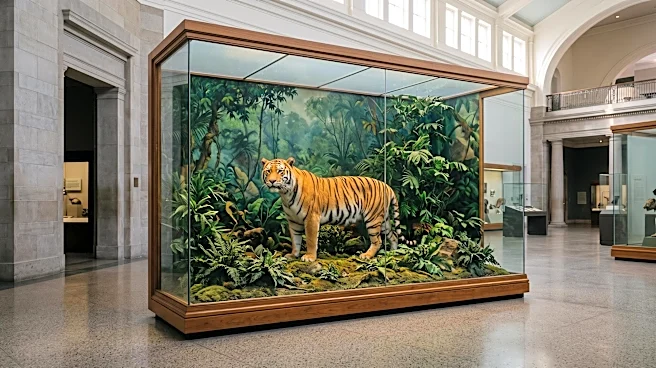
The Academy of Natural Sciences of Drexel University, a 198-year-old institution, closed its doors to the public last month due to financial difficulties, leaving the fate of its 32 historic dioramas uncertain. These dioramas, which include meticulously
crafted habitat scenes featuring taxidermied animals like gorillas, tigers, and polar bears, are considered irreplaceable historical artifacts. Unlike other parts of the Academy's vast collection, the dioramas are largely immobile. Reports suggest that Drexel and Academy leaders are considering selling the building and relocating its collections, a prospect that has alarmed diorama specialists. Moving these large, intricate exhibits would require significant time, labor, and an estimated cost in the millions of dollars, with one expert citing a previous museum's relocation budget of $3 million for 10 dioramas. The dioramas were primarily created between the 1930s and 1960s, with some depicting critically endangered species, making their replication today nearly impossible and prohibitively expensive.
Why It's Important?
The potential loss or damage of these dioramas represents a significant cultural and scientific blow. These exhibits are not merely displays but are considered historical and meaningful art, offering a unique window into the natural world that cannot be replicated by digital means. They served as an early form of virtual reality, transporting viewers to distant ecosystems and fostering an appreciation for wildlife. The Academy's dioramas have been a cornerstone of Philadelphia's cultural landscape for generations, attracting thousands of visitors annually and contributing to scientific education and exploration. Their preservation is crucial for maintaining a tangible link to past scientific practices and artistic achievements. The situation also highlights the broader financial challenges faced by natural history museums, which often house large, complex, and expensive-to-maintain collections.
What's Next?
There has been no official announcement regarding the future of the Academy or its dioramas. Drexel spokesperson Britt Faulstick stated that the building will continue to house the collections, research activities, and exhibit materials while leadership explores potential pathways forward. One scenario being discussed involves splitting up the Academy's collection and distributing it to other institutions, though the logistics and cost of moving 19 million specimens, including the fragile dioramas, remain a major concern. The high cost and inherent risks associated with relocating the dioramas, particularly due to the presence of hazardous chemicals like arsenic used in taxidermy, present significant hurdles. The outcome will likely depend on fundraising efforts, potential partnerships, and the strategic decisions made by Drexel and Academy leadership in the coming months.
Beyond the Headlines
The predicament of the Academy's dioramas raises profound questions about the value and preservation of historical scientific and artistic works in an era of evolving museum practices and financial constraints. The debate over whether to invest millions in relocating and restoring these physical exhibits versus embracing more modern, digital forms of engagement reflects a broader tension within the museum world. The unique appeal of dioramas lies in their ability to provide an immersive, tangible experience that digital alternatives cannot fully replicate, fostering a deeper connection to nature and its history. The potential dismantling of these exhibits could signify a loss of a specific type of cultural heritage, impacting not only scientific understanding but also the artistic legacy of the individuals who meticulously crafted them. This situation underscores the ethical responsibility of institutions to safeguard irreplaceable artifacts for future generations.