




What's Happening?
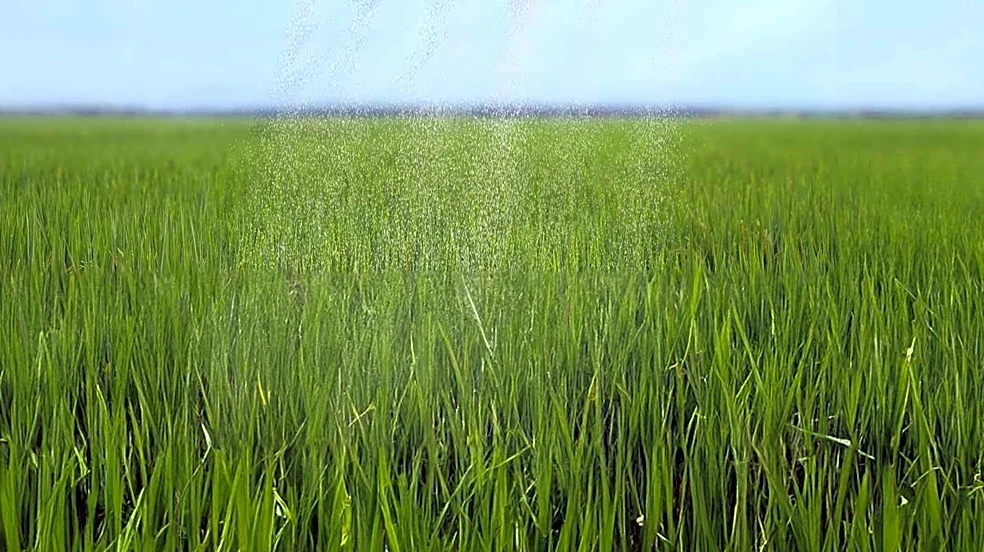
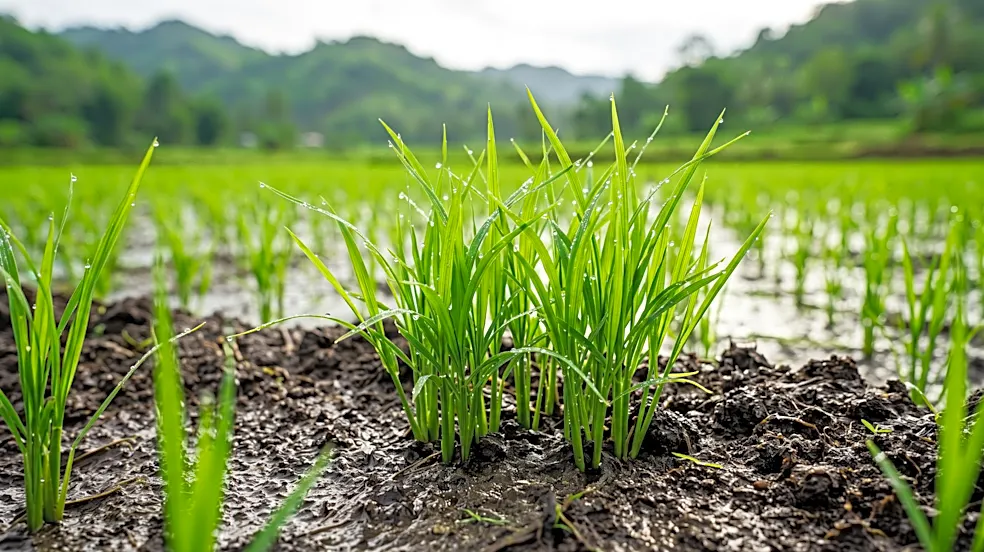
BioLumic, a U.S.-based company, and the International Rice Research Institute (IRRI) have commenced field trials in the Philippines for a novel light-activated seed technology. This technology aims to help farmers protect rice yields while simultaneously
reducing water usage and methane emissions in direct-seeded rice (DSR) systems. BioLumic's patented xTraits platform utilizes proprietary 'Light Recipes' to program coordinated genetic expression at the parent seed stage. This process activates or suppresses gene expression in seeds without altering their DNA, using photomorphogenesis as a natural biological switch. The technology delivers polygenic, heritable gains in yield, resilience, and nutrition without genetic modification, rebreeding, or regulatory burdens. This program, supported by the Gates Foundation, is a significant step towards commercial deployment across major rice-growing regions, particularly in South Asia, where water scarcity and labor constraints are pressing issues for farmers.
Why It's Important?
This collaboration is crucial for global food security and environmental sustainability, especially in regions heavily reliant on rice cultivation. Traditional flooded rice production is a major contributor to methane emissions, a potent greenhouse gas, and is highly water-intensive. The adoption of direct-seeded rice (DSR) systems, combined with BioLumic's technology, offers a dual solution: it reduces water consumption and methane output while protecting crop yields. This is vital for farmers facing increasing pressure from climate change, water scarcity, and labor shortages. By enhancing crop performance without genetic modification, the technology bypasses common regulatory hurdles and public concerns associated with GMOs, potentially accelerating its adoption. The support from the Gates Foundation underscores the technology's potential to make a significant impact on poverty and hunger in rice-dependent communities, promoting more sustainable and resilient agri-food systems.
What's Next?
The ongoing field trials in the Philippines are the immediate next step, designed to rigorously test the efficacy and performance of the light-activated seed technology under real-world conditions. The data collected from these trials will be critical for validating the technology's claims regarding yield protection, reduced water use, and lower methane emissions. Successful outcomes will pave the way for broader commercial deployment across major rice-growing regions, particularly in South Asia. This will likely involve scaling up production of the treated seeds and establishing distribution networks. Further research may also focus on optimizing the 'Light Recipes' for different rice varieties and environmental conditions to maximize benefits. The long-term goal is to integrate this technology into existing breeding and seed production pipelines, making it a standard practice for rice farmers globally, thereby contributing to more sustainable agricultural practices and enhanced food security.
Beyond the Headlines
Beyond its immediate agricultural benefits, this technology represents a paradigm shift in crop enhancement, moving towards non-GMO, expression-based trait activation. This approach could inspire similar innovations in other staple crops, offering a new pathway for improving agricultural resilience and productivity without the controversies often associated with genetic engineering. Ethically, it presents a 'cleaner' alternative for crop improvement, potentially gaining wider acceptance from consumers and environmental groups. Legally, its non-GMO status simplifies regulatory pathways, accelerating market entry. Culturally, the widespread adoption of such sustainable farming practices could foster a greater appreciation for environmentally conscious agriculture and contribute to a global movement towards more sustainable food systems. This innovation also highlights the potential of leveraging natural biological processes, like photomorphogenesis, in novel ways to address complex global challenges like climate change and food insecurity.