
What's Happening?
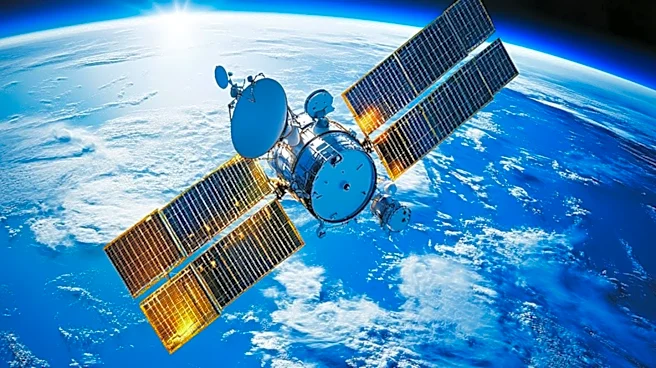
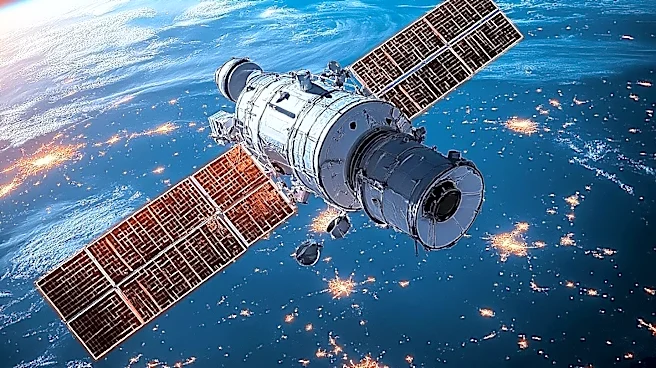
Taiwan has relaxed its regulations on foreign ownership of satellite operators, potentially allowing companies like Elon Musk's Starlink to provide internet services in the region. This move comes amid
concerns over communication vulnerabilities in the event of a crisis with China. Taiwan currently lacks its own low-Earth orbit satellites, and the government is keen to address this deficiency through international partnerships and eventually developing its own satellite network.
Why It's Important?
The decision to ease satellite regulations is significant for Taiwan's national security and technological infrastructure. By potentially allowing Starlink and similar services, Taiwan aims to bolster its communication resilience against potential disruptions from China. This development also reflects Taiwan's strategic efforts to enhance its technological capabilities and reduce reliance on terrestrial communication networks, which could be vulnerable in geopolitical conflicts. The move could have broader implications for regional security dynamics and the global satellite internet market.
What's Next?
As Taiwan opens its market to foreign satellite operators, it may attract significant investment and technological collaboration. This could lead to the rapid development of Taiwan's satellite infrastructure, enhancing its communication capabilities. However, the move is likely to draw scrutiny and possible opposition from China, which may view the presence of foreign satellite networks as a security threat. The situation could lead to increased diplomatic tensions and necessitate careful navigation of international relations by Taiwan.