






What's Happening?
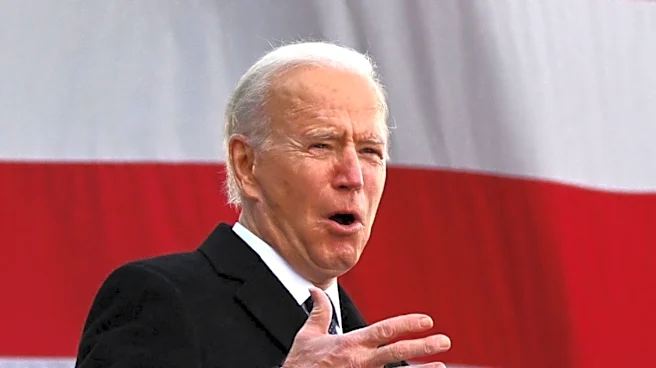
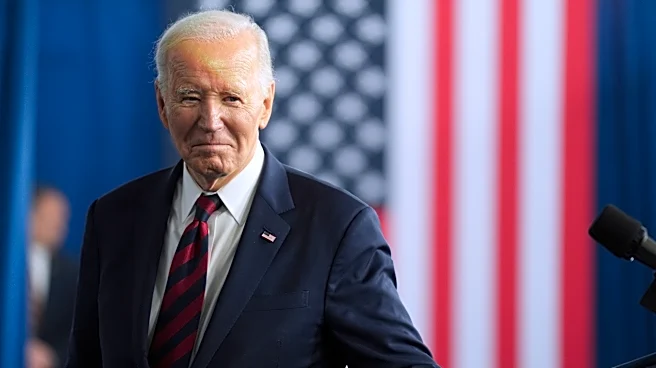
A federal appeals court in Washington, DC, has ruled against President Joe Biden's attempt to block the release of recordings from 2016 and 2017. The court determined that the public interest in the recordings, which feature Biden discussing his political
life, outweighs his privacy claims. The tapes are sought by the Heritage Foundation and House Republicans, who argue they may reveal insights into Biden's health and memory. The court's decision allows Biden to appeal, delaying the immediate release of the recordings.
Why It's Important?
The court's decision has significant implications for privacy rights and public access to information involving public figures. The ruling highlights the tension between individual privacy and the public's right to know, especially concerning high-profile political figures. The potential release of the recordings could impact public perception of President Biden and influence political discourse. This case also underscores the role of the judiciary in balancing privacy concerns with transparency and accountability in government.
What's Next?
President Biden may choose to appeal the court's decision, which could prolong the legal battle over the recordings. The outcome of any further appeals will be closely watched, as it could set a precedent for similar cases involving privacy and public interest. The situation may also prompt discussions about the boundaries of privacy for public officials and the criteria for releasing sensitive information. Political opponents and advocacy groups will likely continue to monitor developments and use the case to advance their agendas.