


What's Happening?
State Senator Barry DeKay from northeast Nebraska has expressed strong support for a newly approved bill aimed at protecting agricultural data collected by farm equipment. This legislative measure, introduced by State Senator Mike Jacobsen of North Platte,
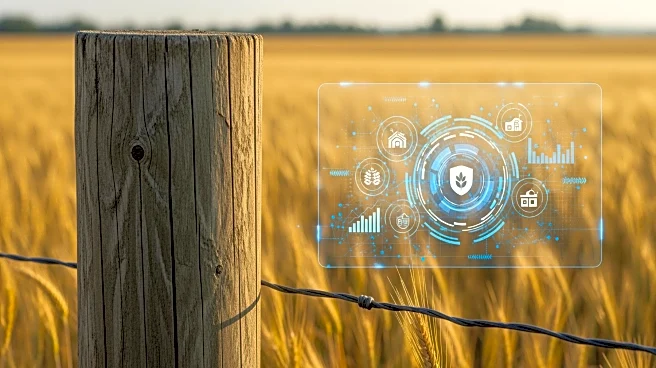
seeks to establish a pioneering framework for ag data privacy protection. The bill addresses the need to safeguard sensitive information related to soil conditions, weather, and crop yields, which are increasingly being collected through advanced precision technologies in agricultural machinery. Senator DeKay highlighted the transformative impact of these technologies on agriculture, emphasizing the importance of protecting the data they generate to ensure the privacy and security of agricultural producers.
Why It's Important?
The passage of this ag data protection bill is significant as it addresses the growing concerns over data privacy in the agricultural sector. With the rapid advancement of precision agriculture technologies, farmers are collecting vast amounts of data that are crucial for optimizing crop production and resource management. However, this data is also vulnerable to misuse or unauthorized access, which could have detrimental effects on farmers' operations and competitiveness. By establishing legal protections for this data, the bill aims to provide farmers with greater control over their information, potentially enhancing trust in technology adoption and fostering innovation in the agricultural industry. This legislative move could set a precedent for other states to follow, highlighting the importance of data privacy in modern agriculture.
What's Next?
As the bill progresses through the legislative process, it will likely undergo further scrutiny and potential amendments before final approval. Stakeholders in the agricultural sector, including farmers, technology providers, and data privacy advocates, may engage in discussions to refine the bill's provisions and ensure it effectively addresses the needs of all parties involved. If successfully enacted, the bill could lead to the development of new standards and practices for data management in agriculture, encouraging other states to consider similar measures. The ongoing dialogue around data privacy in agriculture may also prompt federal attention, potentially influencing national policies on agricultural data protection.