




What's Happening?
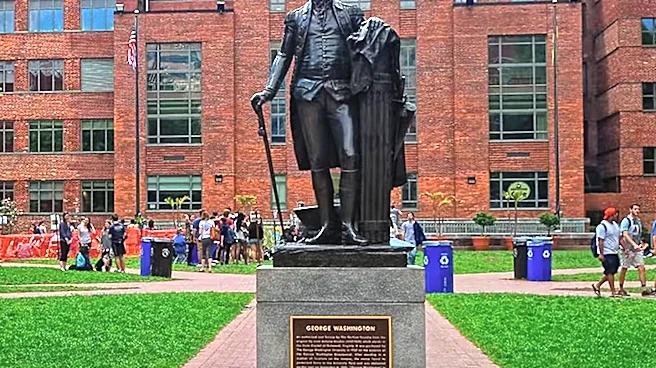
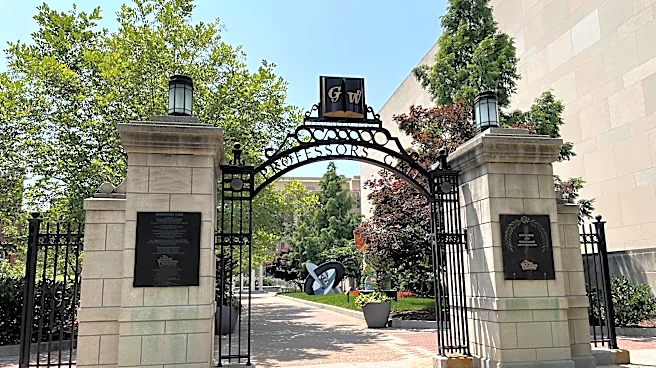
George Washington University’s International Institute of Tourism Studies has received a $1.5 million grant to bolster Native tourism initiatives. This funding aims to provide technical assistance and facilitate coordination with federal agencies, assisting
tribal nations in developing their cultural heritage tourism. The institute will collaborate with NCGrowth at the University of North Carolina and the Center for Native American Health and Economic Development to execute this program. The initial grant of $1.5 million is part of a larger potential funding package that could reach up to $7.5 million over a five-year period. This initiative is designed to create job opportunities and economic growth within Native communities by leveraging their unique cultural assets for tourism.
Why It's Important?
This grant is significant for several reasons, primarily its potential to foster economic development and cultural preservation within Native American communities across the U.S. By supporting Native tourism, the initiative can create sustainable job opportunities and generate revenue for tribal nations, which can then be reinvested into community services and infrastructure. It also promotes the rich cultural heritage of Native Americans, offering visitors authentic experiences while ensuring that these traditions are respected and maintained. The collaboration between academic institutions and Native American organizations underscores a commitment to culturally sensitive and community-driven development. This model could serve as a blueprint for similar initiatives aimed at empowering indigenous populations through economic self-sufficiency and cultural pride.
What's Next?
The initial $1.5 million grant will enable George Washington University’s International Institute of Tourism Studies, in partnership with NCGrowth and the Center for Native American Health and Economic Development, to begin providing technical assistance and coordinating efforts with federal agencies. Over the next five years, the program anticipates receiving additional funding, potentially totaling $7.5 million, which will allow for the expansion of its support to more tribal nations. The focus will be on developing and implementing strategies for cultural heritage tourism, including training, marketing, and infrastructure development. Success in these early stages could lead to broader recognition and increased investment in Native tourism, potentially attracting more visitors and further stimulating economic growth in these communities.
Beyond the Headlines
Beyond the immediate economic benefits, this initiative carries deeper implications for cultural sovereignty and reconciliation. By empowering tribal nations to control and benefit from their own cultural narratives through tourism, it challenges historical patterns of exploitation and misrepresentation. It offers a pathway for Native communities to share their heritage on their own terms, fostering greater understanding and respect among visitors. This approach can also strengthen tribal governance and self-determination, as communities gain more control over their economic destinies and cultural assets. The long-term impact could be a more equitable and inclusive tourism landscape in the U.S., where indigenous cultures are celebrated and sustained.