


What's Happening?
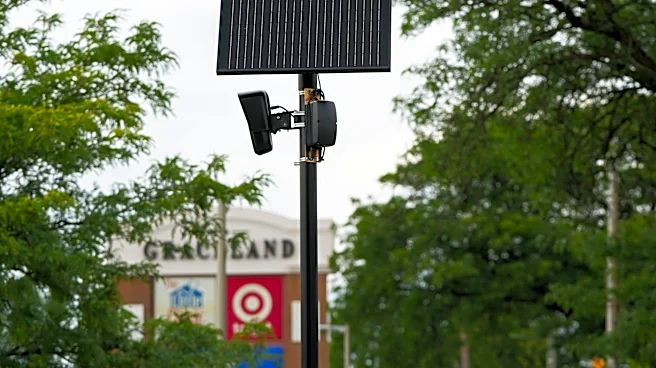
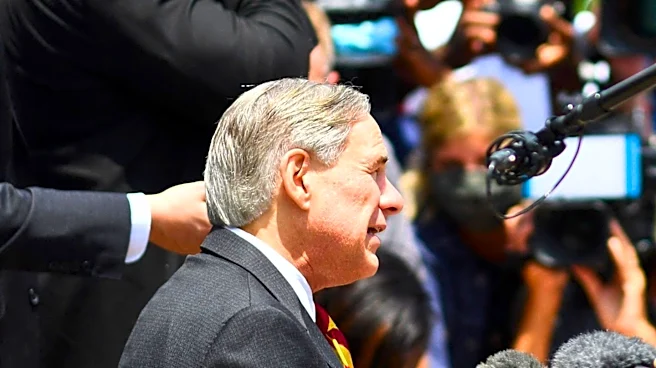
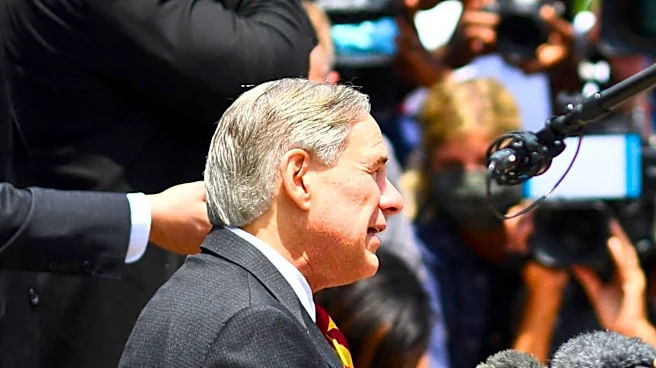
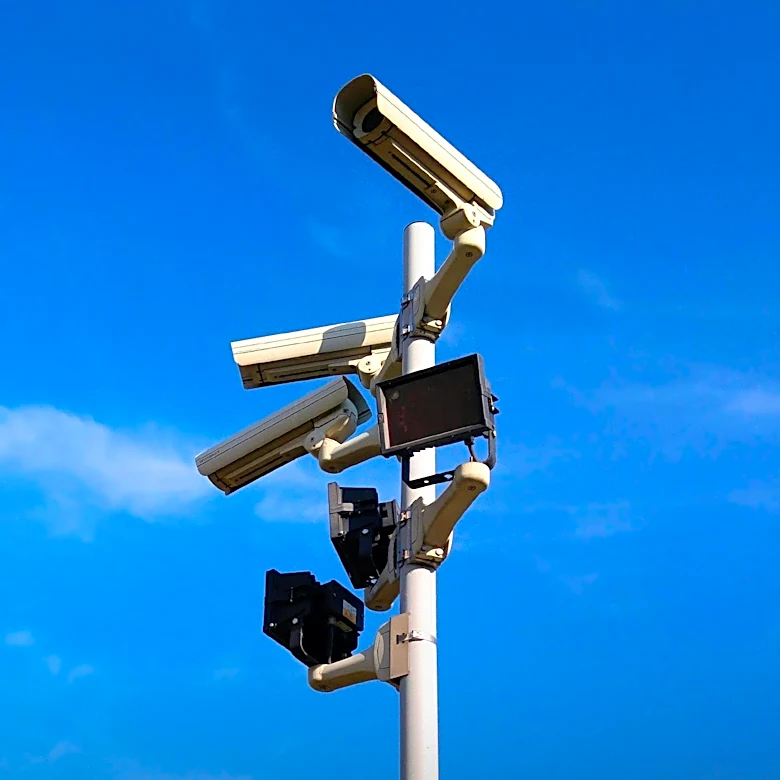
Governor Greg Abbott has issued an order to all Texas state agencies to cease funding for Flock cameras, which are AI-powered surveillance devices. This decision comes as scrutiny over these cameras has intensified due to growing privacy concerns. The
order was announced as The Texas Tribune was preparing to publish an investigation revealing that a state agency had allocated at least $30 million to expand the state's Flock surveillance network through grants to local police departments. Abbott's spokesman confirmed that while most funding for these cameras comes from the federal government, any state agency funds are now explicitly prohibited from being used for Flock cameras. This move follows increasing reports of misuse and privacy concerns, with several cities and counties in Texas already canceling their contracts with Flock Safety. Republican U.S. Rep. Keith Self had previously proposed legislation in July to require federal agencies to obtain warrants before accessing Flock camera data, citing the importance of privacy rights.
Why It's Important?
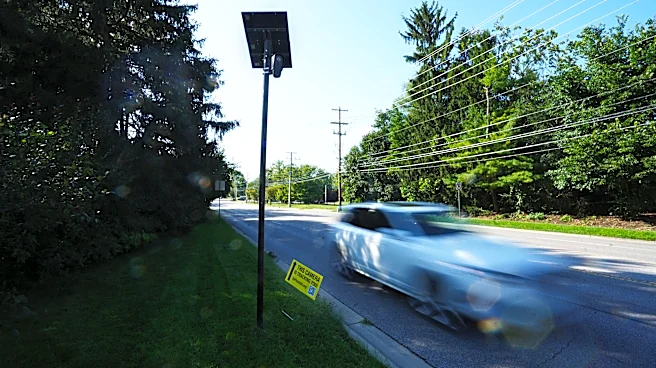
This action by Governor Abbott signifies a significant shift in the state's approach to surveillance technology and data privacy. The pause in state funding for Flock cameras reflects a growing public and political backlash against the widespread deployment of AI-powered surveillance, particularly license plate readers that collect extensive vehicle data. The controversy highlights the tension between public safety initiatives and individual privacy rights, especially concerning the Fourth Amendment. The fact that a 2023 law, intended to combat catalytic converter theft by adding $1 to auto insurance policies, was used to fund these cameras without explicit legislative discussion, raises questions about transparency and accountability in government spending and technology adoption. This development could set a precedent for other states grappling with similar issues, potentially leading to more stringent regulations on surveillance technology and increased public demand for privacy safeguards.
What's Next?
Following Governor Abbott's order, state agencies will need to clarify how existing funds are being used and ensure compliance with the new directive, meaning no state funds can be allocated for Flock cameras. Cities and counties that currently utilize Flock cameras, and rely on state funding, may be forced to re-evaluate their contracts or seek alternative funding sources. The ongoing investigations into misuse, such as the Lufkin police officer facing charges for allegedly surveilling individuals, will likely continue to fuel public debate and potentially lead to further legal challenges or policy changes. The proposed legislation by Republican U.S. Rep. Keith Self, requiring warrants for federal agencies to access Flock data, indicates a broader national conversation about the constitutional implications of such technology. Flock Safety, the company behind the cameras, has stated its support for 'thoughtful legislation' with privacy guardrails, suggesting they may engage in lobbying efforts to shape future regulations.
Beyond the Headlines
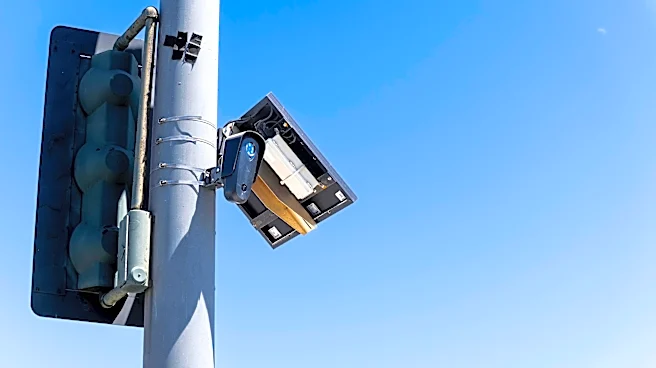
The controversy surrounding Flock cameras extends beyond immediate funding and privacy concerns, touching upon deeper ethical and societal implications of pervasive surveillance. The ability of these AI-powered cameras to track and store detailed vehicle characteristics, including bumper stickers and dents, and to create a nationwide network accessible by various law enforcement agencies, raises questions about the potential for a 'surveillance state.' The ease with which law enforcement can access and share data across jurisdictions without warrants challenges traditional notions of privacy and due process. This situation also highlights the rapid advancement of AI technology and the lagging pace of legal and ethical frameworks to govern its use. The public's increasing awareness and pushback against such technologies could lead to a re-evaluation of the balance between security and liberty in the digital age, potentially fostering a more robust debate on data governance and the future of policing.