







What's Happening?
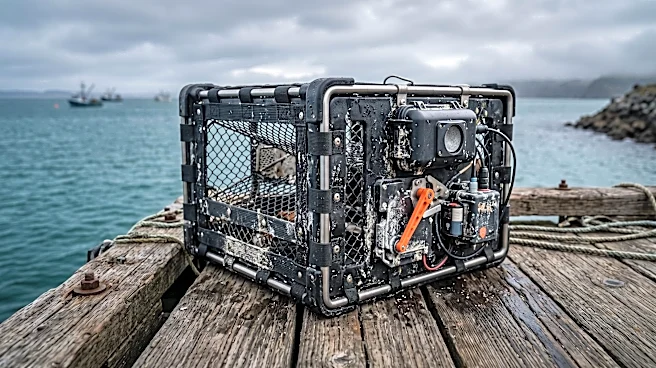
Mikey Volaski, a California fisherman, has been removed from the experimental ropeless box crab fishery permit. Volaski attributes his removal to a series of administrative mix-ups, including issues with the state's vessel registration system and a record-keeping
incident involving traps he reported lost after a storm, which the state later claimed were negligently abandoned. The California Department of Fish and Wildlife, through Eric Kord, marine enforcement district assistant chief, stated they cannot provide details on a pending case but emphasized that all fishing violations are taken seriously and participants must adhere to state laws and permit terms. Volaski had invested approximately $100,000 in box crab gear and now faces significant income loss, inability to provide work for his crew, and has been forced to sell his boat, the Coastal Reign. He intends to fight for reinstatement, expressing strong belief in ropeless gear technology. This incident occurs within a broader context of efforts to promote ropeless fishing gear to protect whales from entanglement, a technology that has faced resistance and skepticism from some in the fishing industry.
Why It's Important?
This situation highlights the ongoing challenges in implementing innovative fishing technologies aimed at marine conservation, particularly when administrative or enforcement issues arise. Volaski's removal, regardless of the specific reasons, could deter other fishermen from adopting ropeless gear, especially given the significant financial investment required and the perceived risk of permit revocation over administrative discrepancies. The incident also underscores the tension between regulatory enforcement and the practical realities faced by fishermen. If penalties are perceived as overly harsh for minor infractions, it could foster distrust within fishing communities, making them less willing to participate in crucial trials for whale-safe gear. This could slow the adoption of technologies vital for protecting endangered marine species and maintaining the economic viability of fisheries in the long term. The success of ropeless gear depends on broad participation and trust between regulators and the fishing industry.
What's Next?
Volaski plans to contest his removal from the box crab permit, indicating a potential legal or administrative battle to regain his fishing rights. The outcome of his appeal could set a precedent for how administrative issues are handled within experimental fisheries and influence other fishermen's willingness to adopt new technologies. Meanwhile, the broader effort to expand ropeless fishing continues. California successfully opened its late-spring Dungeness season as all-ropeless in April 2026, with about 30 fishers participating. Oregon plans to test ropeless gear in 2027, and the Canadian government has announced new investments in whale-safe gear research. The box crab fishery itself is expanding, with California increasing permits to 20 operations and a long waiting list of interested fishers. Kim Sawicki, a key figure in promoting ropeless gear, continues to conduct training sessions, indicating a sustained push for adoption despite individual setbacks like Volaski's.
Beyond the Headlines
The incident with Mikey Volaski touches upon deeper issues concerning the intersection of environmental conservation, economic livelihood, and regulatory oversight in the U.S. fishing industry. The resistance to ropeless gear, often rooted in cost, perceived impracticality, and distrust of external interference, is compounded when fishermen face severe consequences for what they consider administrative errors. This can create a chilling effect, hindering the very innovation needed to address critical environmental challenges like whale entanglement. The long-term success of whale protection efforts and the sustainability of fisheries depend on fostering a collaborative environment where technological adoption is incentivized, and regulatory frameworks are clear, fair, and supportive. The ethical dimension of balancing strict enforcement with the economic realities of small businesses is also at play, as is the cultural shift required for traditional industries to embrace new, environmentally conscious practices.