





What's Happening?
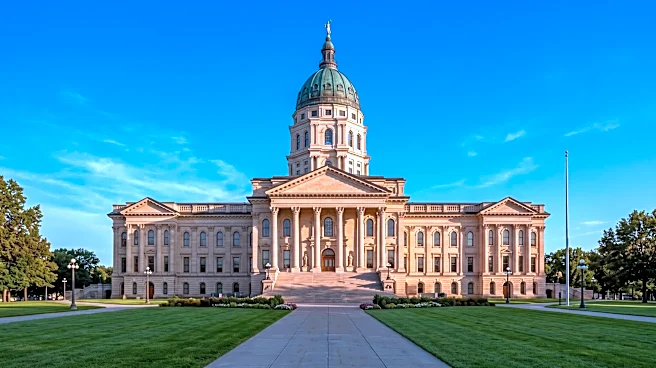
The Kansas Wildlife and Parks Commission has approved several changes to hunting regulations and Kansas State Park fees during its meeting on August 27 in Pittsburg. Key changes include new restrictions on nonresident waterfowl hunting, reestablishment
of a fall turkey hunting season for Kansas residents, and adjustments to State Park fees. Nonresidents pursuing waterfowl, coot, rail, or snipe on Kansas Department of Wildlife and Parks (KDWP)-managed public lands and waters will be required to stop hunting before noon and leave department-managed lands by 1 p.m., starting with the fall 2026 hunting season. These restrictions will not apply during the September teal season, light goose hunting under a conservation order, Walk-In Hunting Access (WIHA and iWIHA) areas, or when nonresidents are hunting other species or participating in KDWP Special Hunts programs. A fall turkey hunting season for Kansas residents has been reestablished, allowing for the harvest of one bearded turkey from October 31 through January 31, with a 12-day closure after Thanksgiving. Permits are expected to go on sale in early October. Additionally, the commission established a repeatable season-date structure for deer hunting in Deer Management Units on military properties. State Park fee changes, including increased fees for vehicle permits, overnight camping, and utilities, and the elimination of the annual camping permit, are scheduled to take effect on November 1, 2026. Most hunting regulations will take effect 15 days after publication by the Kansas Secretary of State.
Why It's Important?
These regulatory changes by the Kansas Wildlife and Parks Commission are significant for both resident and nonresident hunters, as well as for users of Kansas State Parks. The new restrictions on nonresident waterfowl hunting aim to manage hunting pressure and potentially enhance the experience for resident hunters, though nonresidents may face reduced hunting opportunities. The reintroduction of a fall turkey season provides additional recreational opportunities for Kansas residents, supporting local hunting traditions and potentially boosting local economies through hunting-related expenditures. The repeatable season-date structure for deer hunting on military properties offers consistency and predictability for hunters in those specific areas. The increase in State Park fees and the elimination of the annual camping permit will impact park visitors, potentially leading to higher costs for recreational activities and camping. These fee adjustments are intended to support the maintenance and operation of State Parks, ensuring their continued availability and quality for public use. KDWP Secretary Christopher Kennedy emphasized that these decisions involve balancing competing interests and public feedback, highlighting the agency's role in managing wildlife populations and public lands to meet Kansans' expectations.
What's Next?
The approved hunting regulations will proceed through the final administrative process, including publication by the Kansas Secretary of State in an upcoming edition of the Kansas Register. With the exception of the State Park fee changes, these regulations will become effective 15 days after their publication. The State Park fee changes, including increased fees for vehicle permits, overnight camping, and utilities, are scheduled to take effect on November 1, 2026. Permits for the reestablished fall turkey season are anticipated to go on sale in early October, ahead of the October 31 season opener. Hunters, particularly nonresidents planning to hunt waterfowl in Kansas, should monitor the publication of these regulations and plan accordingly for the fall 2026 hunting season. State Park users should also be aware of the upcoming fee adjustments. The Kansas Department of Wildlife and Parks will continue to take public feedback into consideration for future management decisions, as noted by Secretary Christopher Kennedy.
Beyond the Headlines
The changes reflect a broader trend in wildlife management where states often adjust regulations to balance conservation efforts with recreational demands and economic considerations. The differentiation in hunting hours for nonresidents on public lands could spark discussions about equitable access and resource allocation between resident and nonresident hunters, potentially influencing future policy debates in other states with similar wildlife resources. The reintroduction of a fall turkey season underscores the dynamic nature of wildlife populations and the adaptive strategies employed by wildlife agencies to manage them. Furthermore, the adjustments to State Park fees highlight the ongoing challenge of funding public recreational spaces. As operational costs rise, state agencies often turn to user fees to maintain and improve facilities, which can lead to debates about affordability and accessibility for all citizens. These decisions by the Kansas Wildlife and Parks Commission illustrate the complex interplay between ecological stewardship, economic impact, and public recreation in natural resource management.