





What's Happening?
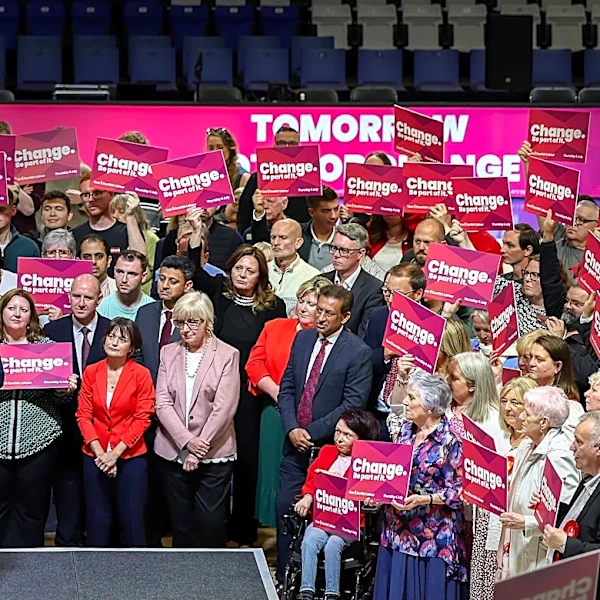
Michigan voters will soon decide on a ballot proposal aimed at curbing corporate political spending in state elections. The initiative, led by the Michiganders for Money Out of Politics coalition, seeks to ban companies with significant state government
contracts and regulated utilities from political spending. The proposal also targets 'dark money' by expanding donor disclosure requirements for political advertising. This move comes amid growing public concern over the influence of corporate money in politics, with the coalition arguing that such spending undermines democratic processes.
Why It's Important?
The proposal represents a significant effort to reform campaign finance in Michigan, addressing long-standing concerns about the influence of corporate money in politics. If passed, it could reduce the political clout of major donors and increase transparency in political advertising. This initiative reflects broader national debates on campaign finance reform, particularly following the U.S. Supreme Court's Citizens United decision, which allowed for increased corporate spending in elections. The outcome of this vote could set a precedent for similar efforts in other states, potentially reshaping the landscape of political funding in the U.S.
What's Next?
If approved, the proposal is expected to face legal challenges, as similar restrictions have been contested in other states. The coalition behind the initiative is preparing to defend the measure in court, citing legal precedents that support campaign finance restrictions. The proposal's success or failure could influence future legislative efforts to regulate political spending, both in Michigan and nationwide. Additionally, the outcome may impact the strategies of political action committees and other entities involved in campaign financing.
Beyond the Headlines
The initiative highlights the ongoing tension between free speech rights and efforts to limit the influence of money in politics. It raises questions about the role of corporate interests in democratic processes and the potential for reforms to enhance electoral integrity. The proposal also underscores the challenges of balancing transparency with privacy in political donations, as well as the complexities of implementing campaign finance reforms in a polarized political environment.