







What's Happening?
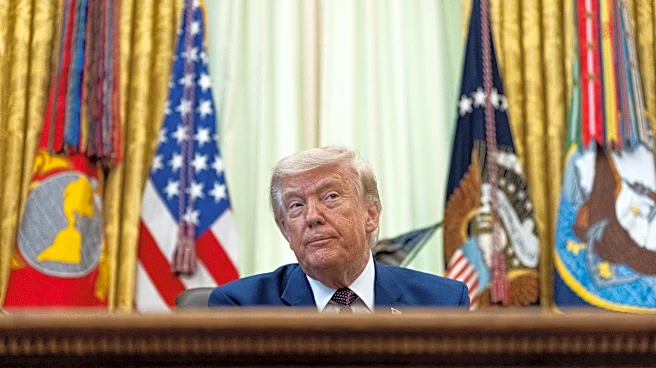
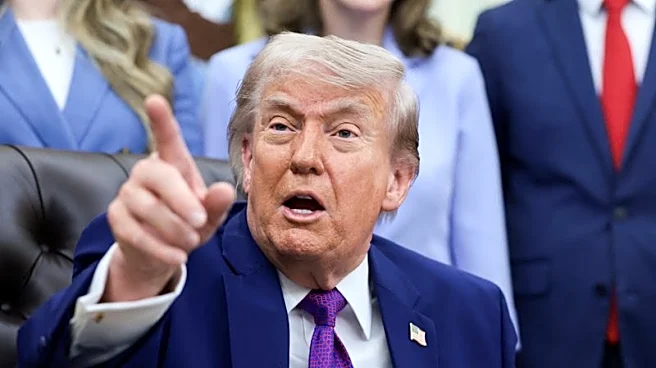
A recent medical examination of President Trump has raised concerns about his health, particularly due to a weight gain of 14 pounds over the past year. Dr. Stuart Fischer, a former emergency room physician, has warned that this weight increase could
be indicative of a potentially serious condition, such as early congestive heart failure. Despite these concerns, Trump's medical team has reported that he is in excellent health and fully fit to fulfill his duties as commander in chief. The president's demanding schedule and preference for fast food, particularly McDonald's, have been noted as contributing factors to his weight gain. Trump's medical assessment included a CT scan, cardiac imaging, and cancer screenings, with results indicating robust cardiac, pulmonary, neurological, and general health.
Why It's Important?
The health of President Trump is of significant concern due to his role as a key political figure. Any potential health issues could impact his ability to perform his duties effectively, which in turn could affect U.S. politics and governance. The weight gain and associated health risks highlight the importance of maintaining a healthy lifestyle, especially for individuals in high-stress positions. The potential for serious health conditions like congestive heart failure underscores the need for regular medical evaluations and lifestyle modifications. This situation also brings attention to the broader issue of health management among public officials and the implications for their decision-making capabilities.
What's Next?
Following the recent medical evaluation, President Trump's medical team has provided recommendations regarding his diet, exercise routine, and weight management. It is likely that these recommendations will be closely monitored to ensure his continued health and ability to perform his presidential duties. The public and political stakeholders may continue to scrutinize his health, especially given the potential implications for his leadership. Further medical assessments and lifestyle changes may be necessary to address the concerns raised by Dr. Fischer and ensure the president's long-term well-being.