







What's Happening?
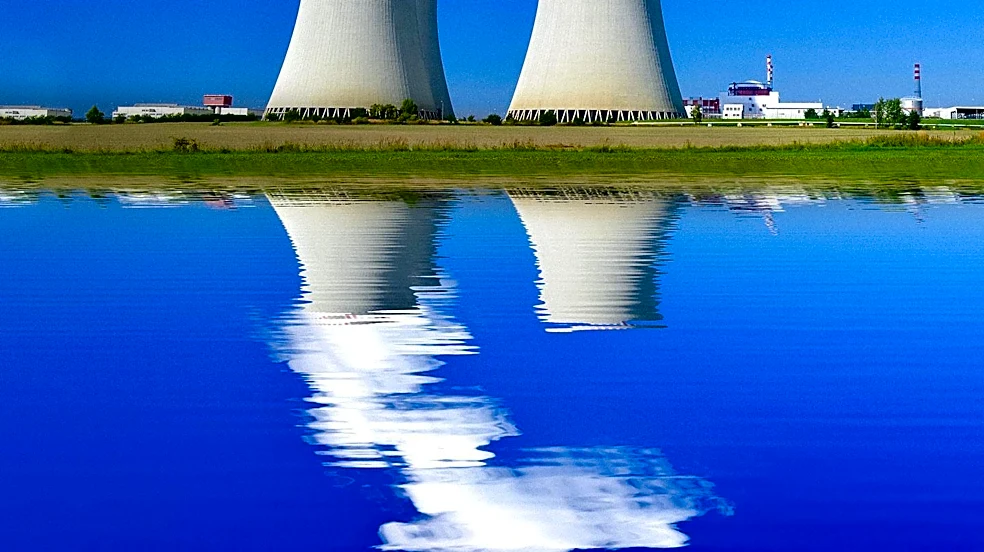
Louisiana is actively pursuing a significant expansion of its nuclear energy capabilities, including a bid to host a U.S. Department of Energy nuclear life cycle innovation campus. This initiative could lead to the development of small modular reactors
in Northwest Louisiana to power a "strategic military asset." The state's proposal also involves uranium enrichment and testing at Entergy’s River Bend nuclear power plant and Louisiana State University (LSU). Additionally, there are plans to explore offshore salt domes near Port Fourchon as potential disposal sites for nuclear waste. A key aspect of Louisiana's strategy is the reprocessing of spent uranium fuel rods from Entergy's Grand Gulf Nuclear Station, aiming to recover unused uranium rather than solely focusing on waste storage. While new utility-scale reactors are considered cost-prohibitive and time-consuming, small modular reactors are seen as a more practical path forward, despite none currently operating in the U.S. Federal officials are expected to select three states for the innovation campus by late 2026 or early 2027.
Why It's Important?
This nuclear energy push is significant for Louisiana's economic development and energy independence. Hosting the U.S. Department of Energy nuclear life cycle innovation campus could attract substantial investment and create an estimated 25,000 jobs, according to Louisiana Economic Development officials. The state's focus on reprocessing spent nuclear fuel aligns with a broader national interest in sustainable energy solutions and reducing long-term nuclear waste storage challenges. The development of small modular reactors could provide a reliable and carbon-free power source for critical infrastructure, such as military assets, enhancing national security. Furthermore, the initiative could position Louisiana as a leader in advanced nuclear technology, fostering innovation and attracting related industries. However, realizing these ambitions will require changes to state laws regarding nuclear waste imports and salt dome evaluations, as well as federal legislation for a permanent waste repository, indicating potential regulatory hurdles.
What's Next?
Louisiana will continue to compete with other states for the U.S. Department of Energy's nuclear life cycle innovation campus, with federal selections anticipated by late 2026 or early 2027. To advance its nuclear energy goals, the state will need to address existing legal frameworks, specifically state laws restricting nuclear waste imports and evaluations of salt domes for disposal. Federal legislation will also be necessary to permit a permanent waste repository outside of Nevada's stalled Yucca Mountain project. If successful in its bid, Louisiana can expect increased interest from nuclear manufacturers and suppliers, potentially leading to job creation, such as Turner Industries' plans to add 500 jobs at its Port Allen and New Iberia facilities. The development of small modular reactors and uranium reprocessing facilities will proceed in stages, contingent on regulatory approvals and technological advancements.
Beyond the Headlines
The pursuit of nuclear energy in Louisiana carries broader implications beyond immediate economic and energy benefits. The emphasis on reprocessing spent nuclear fuel represents a shift towards a more circular economy for nuclear power, potentially reducing the volume and radioactivity of high-level waste. This could set a precedent for other states and influence national nuclear waste management policies. The proposed use of offshore salt domes for waste disposal raises complex environmental and safety considerations, which will require rigorous scientific assessment and public engagement. The integration of nuclear power with strategic military assets highlights the evolving role of energy security in national defense. Furthermore, the initiative could spark a renewed debate on the role of nuclear energy in the U.S. energy mix, particularly in the context of climate change mitigation and the need for reliable baseload power, while also addressing public concerns about safety and waste management.