


What's Happening?
The Old Farmer's Almanac has issued a warning to gardeners across the United States to prepare for a hotter and drier-than-normal summer in 2026. The Almanac's long-range forecast predicts above-average temperatures and uneven rainfall, which could lead
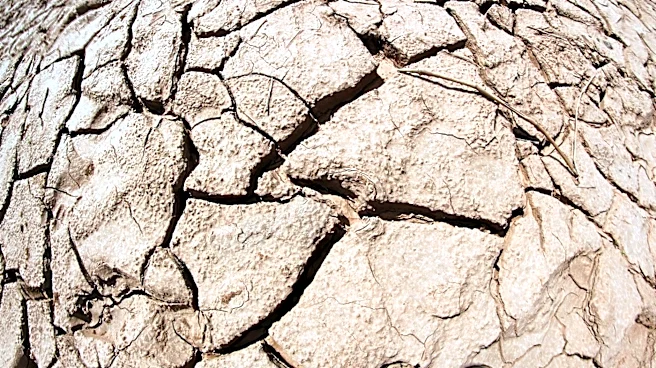
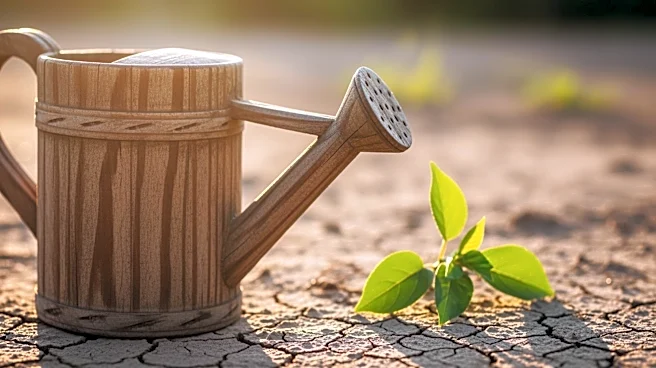
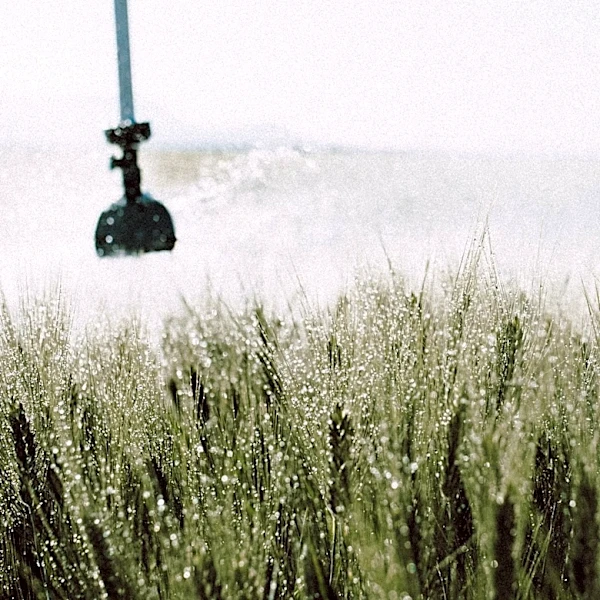
to significant stress on plants, soil, and water supplies. This dry spell is expected to affect not only the traditionally arid West but also extend across multiple regions, including the High Plains, Northern U.S., and parts of the East. Gardeners are advised to adopt strategies focusing on water efficiency, soil health, and plant resilience to mitigate the impact of these conditions. Key recommendations include watering deeply and strategically, improving soil moisture retention, and using efficient watering systems like drip irrigation. The Almanac also suggests prioritizing essential plants and considering drought-tolerant varieties.
Why It's Important?
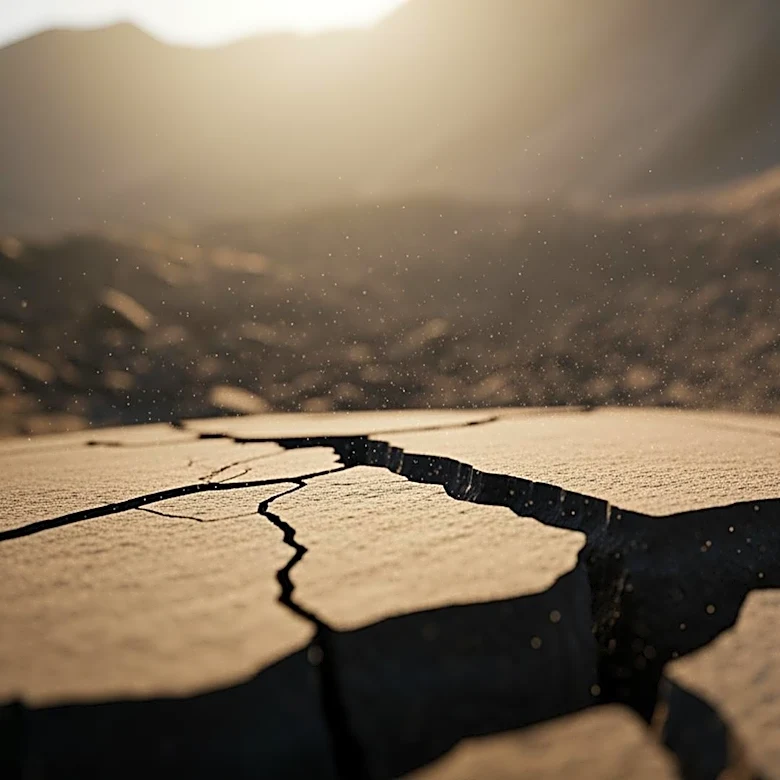
The anticipated dry summer conditions could have widespread implications for gardeners and agricultural stakeholders across the U.S. With increased evaporation and reduced soil moisture, plants may experience slower growth, wilting, or reduced yields, leading to higher water usage and potential economic impacts on gardening and agriculture. The forecast highlights the need for adaptive strategies to conserve water and maintain plant health, which could influence gardening practices and water management policies. The shift towards drought-tolerant plants may also drive changes in the horticultural market, affecting plant selection and landscaping trends.
What's Next?
Gardeners and agricultural stakeholders are likely to continue monitoring weather patterns and adjusting their practices to cope with the predicted dry conditions. The emphasis on water efficiency and soil health may lead to increased adoption of sustainable gardening techniques and technologies. Additionally, policymakers and water management authorities might consider implementing or revising regulations to address water scarcity and promote conservation efforts. As the summer progresses, the effectiveness of these strategies will be evaluated, potentially influencing future recommendations and practices.
Beyond the Headlines
The broader implications of the Almanac's forecast extend to environmental and climate change discussions. The increasing frequency of hotter, drier summers underscores the need for long-term strategies to address climate resilience in agriculture and gardening. This situation also highlights the importance of public awareness and education on sustainable practices to mitigate the effects of climate change. The shift towards drought-tolerant plants and efficient water use could contribute to a more sustainable approach to gardening and landscaping, aligning with broader environmental goals.