







What's Happening?
Oxfam has released a report titled 'Rigged from Birth: How Inequality Steals Futures in Asia & Five Public Services,' highlighting a significant increase in inequality across Asia. The report attributes this trend to governments underfunding essential
public services such as healthcare, education, and social protection. Asian governments spend an average of 9.4% of GDP on social protection, which is less than half the global average of 19.3%. Public education spending averages 2.9% of GDP, falling below the international benchmark of 4–6%. Consequently, households in Asia bear nearly 38% of healthcare costs out of pocket, almost double the average in OECD countries. In South Asia, social protection covers only 30% of the population, compared to 86% in East Asia. The report also notes that debt-distressed economies in the region spend significantly more on debt servicing than on social protection, diverting crucial funds from public services.
Why It's Important?
The underfunding of public services in Asia has profound implications for social equity and economic stability. When households are forced to cover a larger portion of essential service costs, it disproportionately burdens poorer populations, exacerbating income disparities. For instance, in China, the poorest households spend 56.8% of their income on children's education, compared to 10.6% for the richest. This creates a cycle of poverty, limiting opportunities for upward mobility and hindering overall human development. The report emphasizes that public services are among the most effective tools for reducing inequality, and their neglect can lead to long-term societal fragmentation and economic stagnation. Increased public spending, particularly in social protection, has been shown to reduce income inequality, with a one-percentage-point increase in spending across Asia-Pacific reducing income inequality by 0.2%.
What's Next?
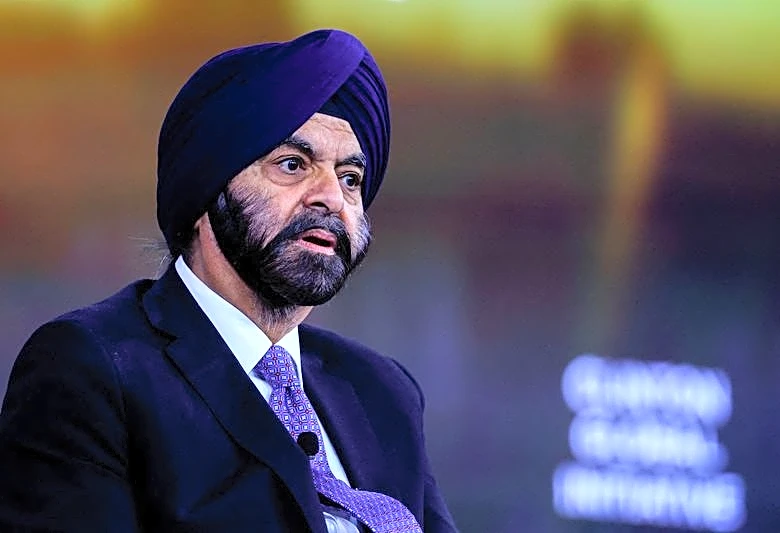
Oxfam urges governments, including those in South Asia, to implement time-bound national plans to reduce inequality and expand free, universal public services. Key recommendations include allocating at least 15% of government budgets to health and education, eliminating user fees for essential services, and introducing more progressive taxation on wealth, high incomes, and corporate profits. The organization also advocates for universal social protection, greater public responsibility for care services, and recognizing digital connectivity as an essential public service. Oxfam International Executive Director Amitabh Behar warns against cutting public services during periods of inflation, price shocks, and job losses, stressing that sustained public investment and progressive taxation are crucial for ensuring economic growth benefits a broader segment of society.
Beyond the Headlines
The findings from Oxfam highlight a critical global challenge: the tension between national debt obligations and the provision of essential public services. Many Asian countries are prioritizing debt repayments over investments in human capital, which could have long-term consequences for their economic competitiveness and social cohesion. This situation raises ethical questions about the responsibilities of governments to their citizens, particularly the most vulnerable, in times of economic strain. The report implicitly suggests that a paradigm shift is needed in how governments prioritize spending, moving towards a more human-centric approach that views public services not as expenditures but as vital investments in a nation's future. The digital inequality noted in South Asia, where 330 million women lack mobile internet access, further underscores how systemic disadvantages can be perpetuated and even amplified in an increasingly digital world.