
What's Happening?
The European Union is poised to sign a landmark trade agreement with the Mercosur bloc, which includes Brazil, Argentina, Paraguay, and Uruguay. This deal, in negotiation since 2000, is part of the EU's
broader strategy to diversify its trade relationships amid global economic shifts. The agreement aims to create one of the largest free-trade zones, providing the EU with access to critical raw materials and new markets. However, it faces opposition from climate activists and farmers concerned about environmental impacts and competition. The deal's political significance is underscored by the EU's efforts to assert a rules-based order in response to US tariffs and geopolitical tensions.
Why It's Important?
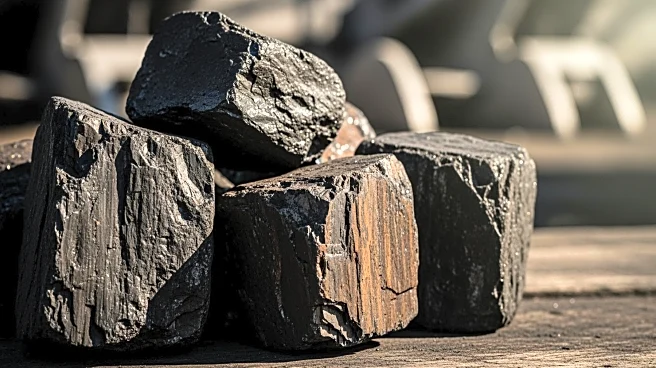
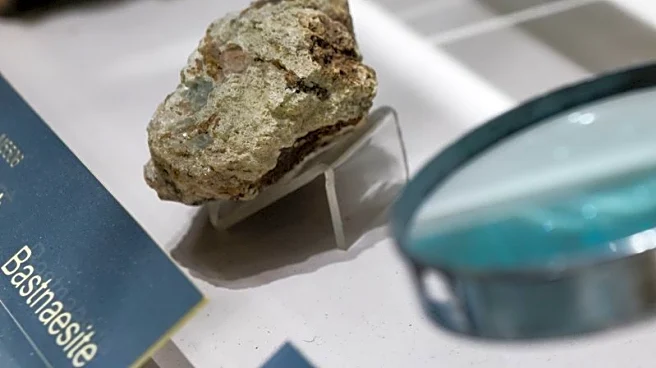
The EU-Mercosur deal is significant as it reflects the EU's attempt to strengthen its economic resilience and reduce reliance on traditional partners like the US. The agreement is expected to provide the EU with access to essential raw materials, crucial for its green technology and defense industries. It also represents a shift in global economic alliances, with the EU seeking to establish stronger ties with South American and Asian partners. This move is partly driven by competition with China, which offers fewer conditions and lower tariffs, making it an attractive partner for many countries. The deal's success could influence future EU trade policies and its role in the global economy.
What's Next?
The agreement must be ratified by the European Parliament, which could face challenges due to opposition from member states concerned about agricultural competition and environmental impacts. The EU will need to address these concerns while continuing to pursue other trade agreements, such as those with India and Indonesia. The outcome of these efforts will determine the EU's ability to diversify its trade links and maintain its influence in the global economy. Additionally, the EU's approach to trade could serve as a model for other regions seeking to navigate the complexities of global economic shifts.