




What's Happening?
New York City is confronting a growing crisis of homeless deaths, particularly as freezing temperatures set in. Last year, at least 15 hypothermia-related deaths were recorded among individuals living on the streets. These fatalities often occurred despite
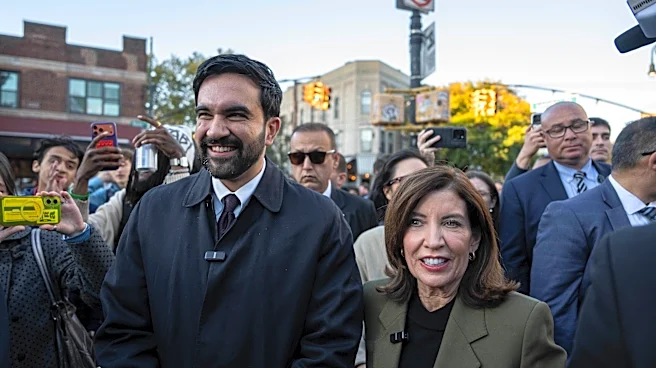
prior contact with homeless services, prompting questions about the effectiveness of current city policies. City officials and advocates are debating the limits of intervention when homeless individuals decline shelter, even in severe weather. Council Speaker Julie Menin has voiced concerns regarding the assessment of those who refuse help, suggesting a need for enhanced safeguards. Queens Borough President Donovan Richards emphasized that homelessness should not lead to death, especially during winter. A recent report indicates that nearly half of homeless deaths are linked to drug and alcohol abuse, which is the leading cause, surpassing heart disease. While harm reduction policies offer safe injection sites and healthcare access, critics question if addiction is adequately addressed within shelters, where substance use reportedly persists unchecked. Additionally, vulnerable children are affected, with eight homeless infant deaths last year, many connected to intoxicated caregiver environments. Shelter conditions and oversight are under scrutiny, with calls for regular inspections and improved support for families.
Why It's Important?
The rising number of homeless deaths in New York City highlights significant systemic challenges in addressing homelessness, public health, and social welfare. The debate over intervention limits for individuals refusing shelter underscores a complex ethical and policy dilemma, balancing individual autonomy with the state's responsibility to protect vulnerable populations. The high correlation between homeless deaths and substance abuse points to a critical gap in addiction treatment and support services within the homeless aid infrastructure. This situation suggests that current harm reduction strategies, while valuable, may not be comprehensively integrated with broader addiction recovery efforts, particularly within shelter settings. The tragic deaths of homeless infants further expose severe vulnerabilities within the shelter system and the need for more robust oversight and support for families. The disproportionate representation of African Americans and Hispanics among homeless fatalities also raises concerns about racial and ethnic disparities in access to and effectiveness of social services. The city's response to this crisis will set a precedent for how urban centers manage the intersection of homelessness, mental health, and public safety, impacting policy discussions nationwide.
What's Next?
As New York City enters the colder months, there is mounting pressure on city officials to implement more effective measures to prevent further homeless deaths. This includes re-evaluating existing policies regarding intervention when individuals refuse shelter and potentially developing new safeguards. Discussions are expected to continue among city officials and advocates on how to better assess and assist those at risk during cold snaps. There will likely be increased scrutiny on the integration of addiction treatment within homeless services and shelters, with calls for more comprehensive approaches beyond harm reduction. Furthermore, the deaths of homeless infants will likely lead to demands for stricter oversight, regular inspections, and improved support systems within shelters to protect families and promote recovery. The new mayor's pledge for compassion and clarity in tackling homelessness suggests that policy changes and increased resource allocation may be on the horizon. The city faces the immediate challenge of balancing individual rights with life-saving interventions for its most vulnerable residents, with potential legislative or programmatic changes to follow.
Beyond the Headlines
The crisis of homeless deaths in New York City extends beyond immediate policy failures, touching upon deeper societal issues of poverty, mental health, and the opioid epidemic. The ethical dilemma of intervening when individuals refuse help highlights a fundamental tension between individual liberty and collective responsibility, a debate that resonates across various public health challenges. The significant role of substance abuse in these deaths underscores the long-term consequences of inadequate mental health and addiction infrastructure, suggesting that homelessness is often a symptom of broader societal breakdowns rather than merely a housing issue. The disproportionate impact on minority communities also points to persistent structural inequalities and the need for culturally competent and equitable service delivery. This situation could catalyze a re-evaluation of the entire social safety net, prompting discussions on preventative measures, long-term housing solutions, and integrated care models that address both physical and mental health needs. The city's struggle reflects a national challenge, where urban centers grapple with similar issues, making New York's response a potential blueprint or cautionary tale for other municipalities.