






What's Happening?
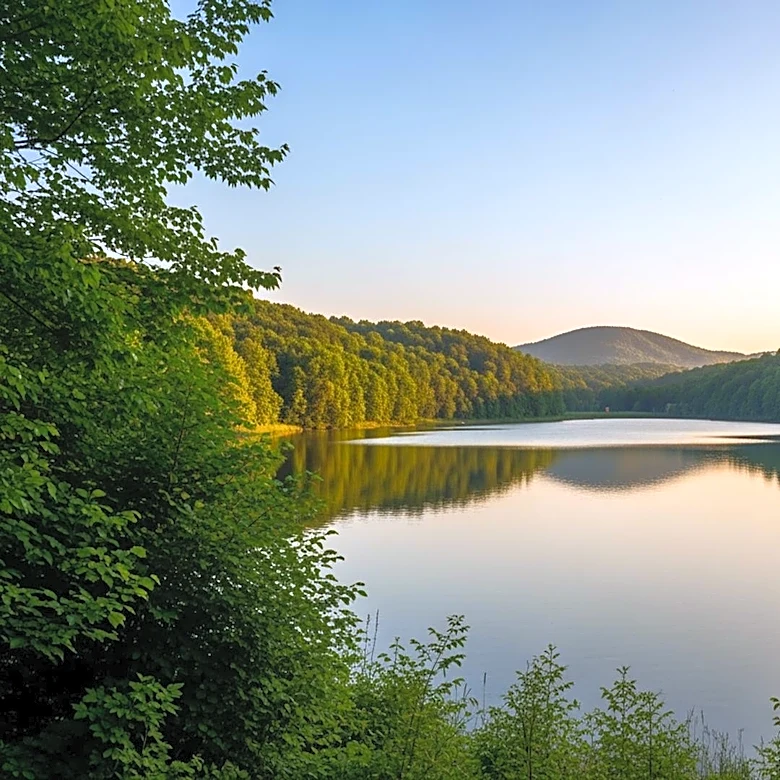
Ohio representatives Jean Schmidt and Tristan Rader have introduced a bipartisan bill to designate the 'Loveland Frogman' as the state's official cryptid. The creature, described as a 4-foot-tall amphibious humanoid, has been part of local folklore since
1955 when it was reportedly sighted near the Little Miami River. The bill highlights the cultural and economic contributions of the Loveland Frogman, which has inspired local festivals, merchandise, and tourism. The city of Loveland has embraced the creature, making it the city's mascot and hosting an annual 'Frogman Festival.' The bill, introduced on April 13, has already garnered bipartisan support.
Why It's Important?
The proposal to recognize the Loveland Frogman as Ohio's official cryptid underscores the importance of local folklore in shaping cultural identity and boosting economic activity. By formalizing the creature's status, the bill aims to enhance community pride and promote tourism, potentially benefiting local businesses and the state's economy. The Loveland Frogman has already contributed to Ohio's cultural landscape through various media and events, and its official recognition could further solidify its role in the state's unique cultural narrative.
What's Next?
If the bill passes, Ohio will officially recognize the Loveland Frogman as its state cryptid, potentially leading to increased interest and investment in related cultural and tourism activities. The bipartisan support suggests a favorable outcome, but the bill will need to navigate the legislative process before becoming law. Stakeholders, including local businesses and tourism boards, may prepare to capitalize on the increased attention and potential economic benefits.
Beyond the Headlines
The move to designate the Loveland Frogman as an official state symbol highlights the broader trend of states embracing unique cultural elements to foster community identity and economic growth. This initiative reflects a growing appreciation for folklore and its role in contemporary society, offering a model for other regions to leverage their unique stories for cultural and economic development.