






What's Happening?
A University of Southern California study has found that older adults who adhere more closely to a Mediterranean diet exhibit higher concentrations of two specific proteins, humanin and SHMOOSE, which are associated with cellular protection. These proteins are generated
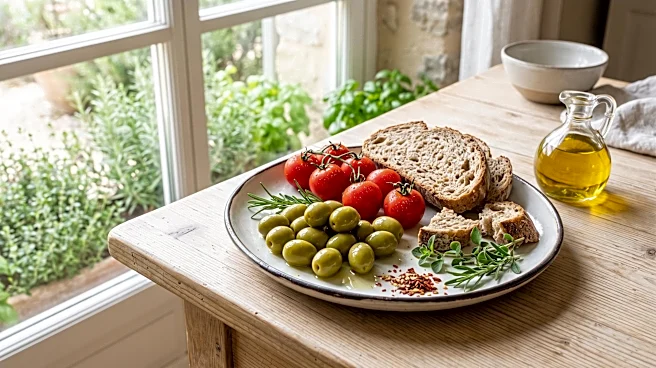
from genetic instructions within mitochondria, the cellular components responsible for energy production and regulation of aging processes. The research, which examined blood samples from 49 older adults with an average age of 78, identified particular dietary elements linked to increased levels of these proteins. Specifically, consuming at least one tablespoon of olive oil daily, three servings of fish weekly, or two servings of legumes weekly was associated with higher humanin levels. Higher SHMOOSE levels were connected to olive oil consumption and eating less than one serving of white bread daily. Humanin also showed an inverse relationship with markers of oxidative stress, a process known to cause cellular damage. While the findings are considered intriguing, the study was observational, small in scale, and limited to older adults with atrial fibrillation, meaning it does not definitively prove that these foods directly increase protective proteins or prevent diseases like Alzheimer's and heart disease.
Why It's Important?
This research offers a potential biological mechanism explaining the long-observed health benefits of the Mediterranean diet, particularly in the context of aging and chronic disease prevention. The identification of humanin and SHMOOSE as 'molecular messengers' that translate dietary intake into cellular function and aging provides a deeper understanding of how food choices impact health at a fundamental level. If future, larger controlled trials confirm these associations, it could lead to more targeted dietary recommendations or even novel therapeutic strategies aimed at boosting these protective proteins. For the U.S. population, where chronic diseases like heart disease and Alzheimer's are prevalent, understanding these mechanisms could reinforce the importance of adopting Mediterranean-style eating patterns. It underscores the potential for dietary interventions to mitigate cellular damage and support healthy aging, potentially reducing healthcare burdens and improving quality of life for an aging demographic. The emphasis on readily available foods like olive oil, fish, and legumes also makes these dietary changes accessible to a broad audience.
What's Next?
The researchers emphasize the need for larger, controlled trials to definitively establish whether changes in dietary habits can directly alter the levels of humanin and SHMOOSE and subsequently improve health outcomes. Future studies will likely focus on replicating these findings in more diverse populations and investigating the precise causal links between specific Mediterranean diet components and the production of these protective proteins. This could involve intervention studies where participants are assigned to specific dietary patterns to observe changes in protein levels and health markers over time. If causality is established, it could pave the way for public health campaigns that specifically highlight the role of these foods in cellular protection and healthy aging. Additionally, further research might explore whether these proteins could serve as biomarkers for dietary adherence or indicators of cellular resilience, offering new tools for personalized nutrition and preventive medicine.
Beyond the Headlines
Beyond the immediate health implications, this study touches upon the broader scientific endeavor to understand the intricate relationship between diet, genetics, and aging. The concept of 'molecular messengers' translating dietary signals into cellular responses highlights the sophisticated interplay within the human body. It reinforces the idea that food is not merely fuel but a complex source of information that influences our biological processes. This perspective could shift the focus from simply avoiding 'bad' foods to actively incorporating 'good' foods that promote cellular health. Ethically, if these findings are substantiated, it raises questions about equitable access to such beneficial dietary components and the potential for dietary disparities to exacerbate health inequalities. Culturally, it could further integrate the Mediterranean diet, already recognized for its health benefits, into mainstream dietary advice, potentially influencing food production, consumer choices, and even culinary trends in the U.S. The study also subtly challenges the notion that aging is an inevitable decline, suggesting that lifestyle choices, particularly diet, can significantly impact the biological processes underlying longevity and health span.