





What's Happening?
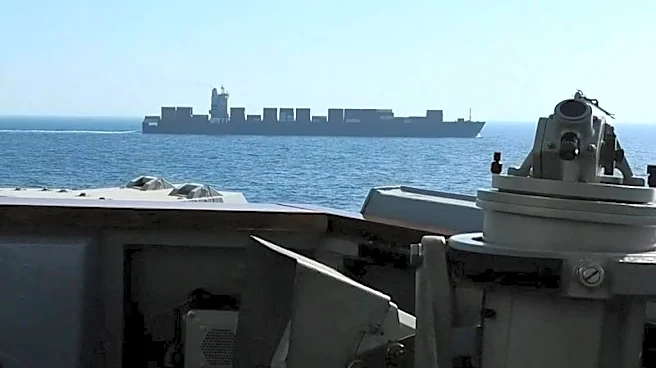
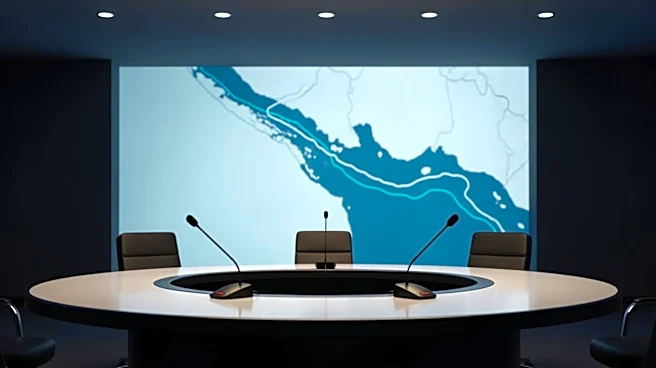
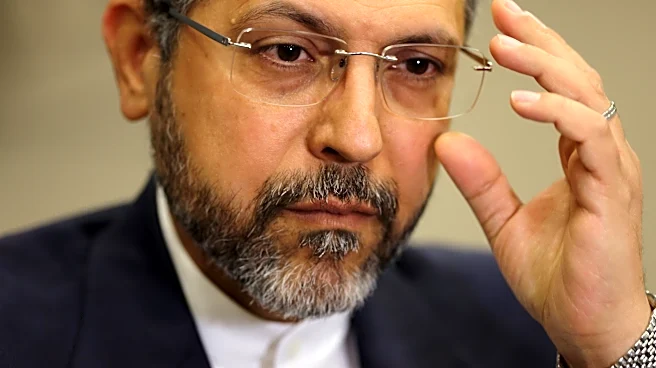
Iran has refused to participate in the latest round of peace talks with the United States, scheduled to take place in Pakistan. The decision is attributed to what Iran describes as 'unrealistic demands' from the US, along with a naval blockade in the Gulf,
which Iran views as a violation of the ceasefire. This development comes as President Trump announced the resumption of talks, with US envoys heading to Islamabad. The refusal highlights ongoing tensions between Tehran and Washington, particularly concerning Iran's nuclear program and regional activities.
Why It's Important?
Iran's refusal to engage in peace talks underscores the persistent challenges in US-Iran relations. The situation has significant implications for regional stability and international diplomacy. The US's demands, including the cessation of Iran's nuclear activities and the opening of the Strait of Hormuz, are central to the negotiations. Iran's stance reflects its resistance to external pressure and its strategic priorities. The outcome of these talks, or lack thereof, could influence global energy markets, given the strategic importance of the Gulf region. The diplomatic impasse also affects US foreign policy and its approach to Middle Eastern geopolitics.
What's Next?
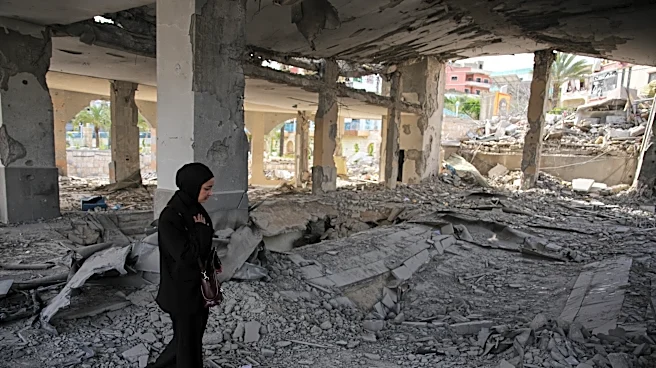
The US will likely continue diplomatic efforts to bring Iran back to the negotiating table, possibly adjusting its approach to address Iran's concerns. The expiration of the ceasefire adds urgency to the situation, with potential military and economic repercussions if tensions escalate. Regional actors, including Pakistan, may play a mediating role to facilitate dialogue. The international community will closely monitor developments, as the resolution of these talks could impact global security and economic stability.