




What's Happening?
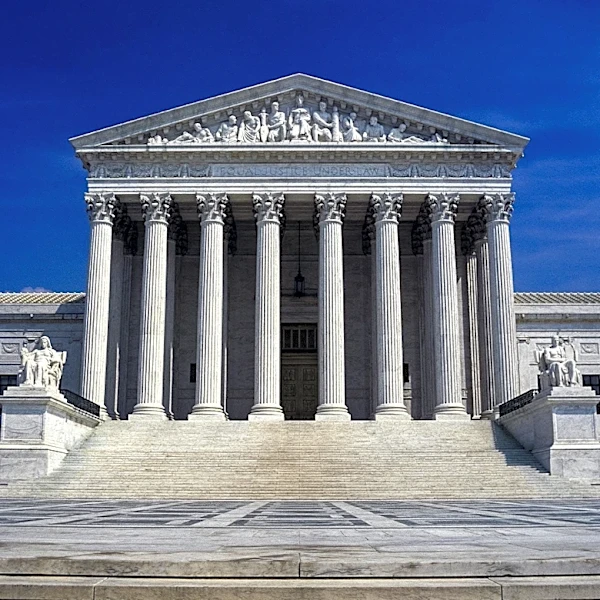
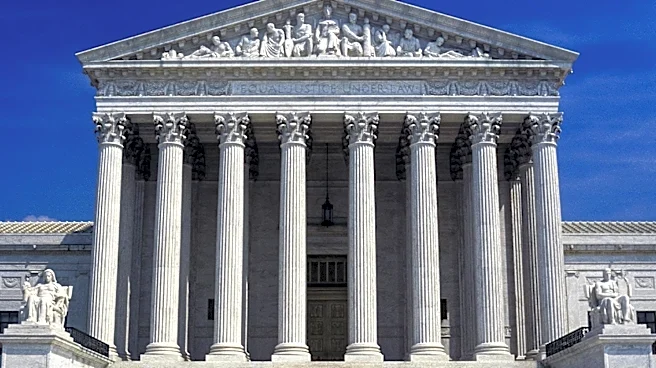
The United States Supreme Court has issued a ruling that military contractors do not have absolute immunity from negligence claims in active war zones. This decision was authored by Justice Clarence Thomas and supported by a six-justice majority, including
Justices Sotomayor, Kagan, Gorsuch, Barrett, and Jackson. Chief Justice John Roberts, along with Justices Alito and Kavanaugh, dissented, arguing that the case was preempted by the Constitution's grant of war powers to the Federal Government. The ruling marks a significant shift in how state-law tort claims are viewed in the context of military operations, potentially opening the door for more lawsuits against contractors operating in conflict areas.
Why It's Important?
This ruling could have substantial implications for military contractors and their operations in war zones. By limiting immunity, the decision may lead to increased legal scrutiny and potential liability for contractors, which could affect their willingness to engage in military operations. This change might also impact the cost and availability of contracting services for the U.S. military, as companies may seek to mitigate risks through higher fees or more stringent contract terms. Additionally, the decision underscores the Supreme Court's role in balancing state and federal powers, particularly in areas involving national security and military operations.
What's Next?
The ruling may prompt military contractors to reassess their legal strategies and operational protocols in war zones. Companies might increase their focus on compliance and risk management to avoid potential negligence claims. The decision could also lead to legislative efforts to clarify the scope of contractor immunity in military contexts, as stakeholders seek to balance accountability with operational effectiveness. Furthermore, the ruling may influence future Supreme Court cases involving the intersection of state law and federal military powers.