








What's Happening?
Congressman Steve Cohen announced significant federal grants from the U.S. Department of Transportation (DOT) for projects in Memphis and Shelby County. The University of Memphis is set to receive $3,113,175 to develop a 'Post-Crash Care Safety Action
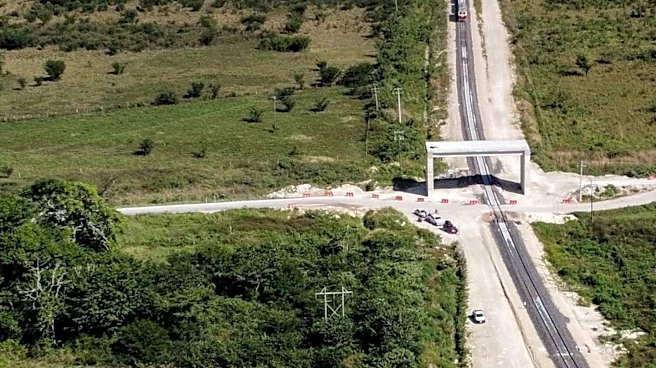
Plan.' This initiative will involve testing trauma care, dispatch, traffic accident management, and incident command protocols at its Millington campus. Additionally, Shelby County Government will be allocated $640,000 to conduct studies on alternatives for three high-priority highway-rail crossings and to evaluate the safety of 23 other crossings. Congressman Cohen emphasized that these projects are aimed at enhancing traffic safety and mitigating dangerous situations within the region.
Why It's Important?
These federal grants are crucial for improving public safety and infrastructure in Memphis and Shelby County. The University of Memphis's 'Post-Crash Care Safety Action Plan' has the potential to significantly enhance emergency response and post-accident care, which could lead to reduced fatalities and injuries from traffic incidents. For Shelby County, the funding for highway-rail crossing studies addresses a critical safety concern, as these intersections are often sites of severe accidents. By evaluating alternatives and improving safety measures, the county can protect both motorists and pedestrians. These investments reflect a broader national effort to modernize transportation infrastructure and prioritize public safety, with direct benefits for the local economy through job creation and improved logistical efficiency.
What's Next?
The University of Memphis will proceed with developing and testing its 'Post-Crash Care Safety Action Plan' at its Millington campus, with the goal of implementing improved protocols for trauma care and incident management. Shelby County Government will initiate studies to identify and implement safer alternatives for high-priority highway-rail crossings and conduct comprehensive safety evaluations for other crossings. These projects will likely involve collaboration between local government, academic institutions, and transportation authorities. The successful execution of these initiatives could serve as a model for other regions facing similar transportation safety challenges, potentially leading to further federal funding opportunities for infrastructure improvements across the U.S.
Beyond the Headlines
Beyond the immediate safety improvements, these grants highlight the ongoing federal commitment to regional infrastructure development and public health initiatives. The focus on 'Post-Crash Care' signifies a holistic approach to traffic safety that extends beyond accident prevention to include effective emergency response and recovery. The rail crossing studies also underscore the persistent challenges of integrating different modes of transportation safely within growing urban and suburban areas. This federal investment can stimulate local innovation in transportation safety and emergency services, fostering a more resilient and responsive public safety framework. It also demonstrates the impact of congressional advocacy in securing vital resources for local communities, addressing specific needs that might otherwise go unfunded.