
What's Happening?
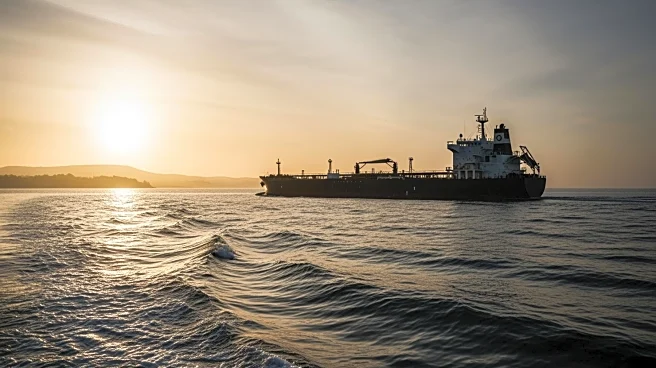
The U.S. Coast Guard, in collaboration with federal partners, is actively pursuing a third oil tanker suspected of violating U.S. sanctions near Venezuela. This action follows the recent seizure of two
other tankers as part of a broader effort by the Trump administration to disrupt oil shipments that allegedly support the Venezuelan government under President Nicolás Maduro. The sanctions target Venezuela's state-owned energy company, PDVSA, and individuals linked to the Maduro regime, aiming to cut off revenue streams. The enforcement has sparked international disputes, with China criticizing the U.S. actions as violations of international law, while Venezuelan officials have accused the U.S. of piracy and economic warfare.
Why It's Important?
The U.S. sanctions and subsequent enforcement actions are significant as they aim to weaken the Maduro government by restricting its primary revenue source—oil exports. This move could have far-reaching implications for global oil markets and international relations, particularly with China, Venezuela's largest crude buyer. The enforcement has already disrupted global shipping patterns, with tanker operators avoiding routes that risk U.S. interdiction. The situation underscores the geopolitical tensions surrounding U.S. foreign policy and its impact on international trade and diplomatic relations.
What's Next?
The U.S. government has not disclosed whether the third tanker will be seized or released, leaving the situation fluid. The ongoing maritime enforcement could lead to further diplomatic tensions, especially with countries like China that have vested interests in Venezuelan oil. The U.S. military's presence in the region may continue to serve as a deterrent, but the long-term effects on Venezuela's economy and international relations remain uncertain.