







What's Happening?
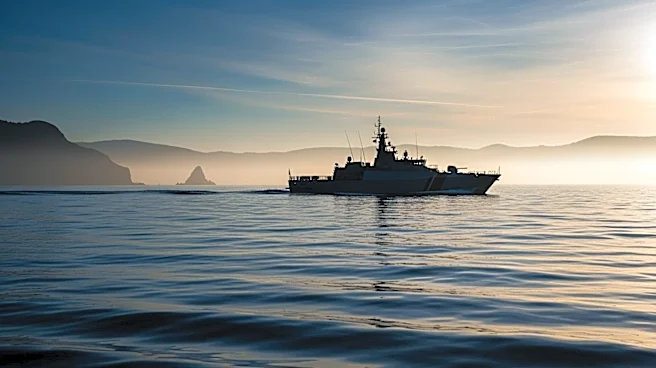
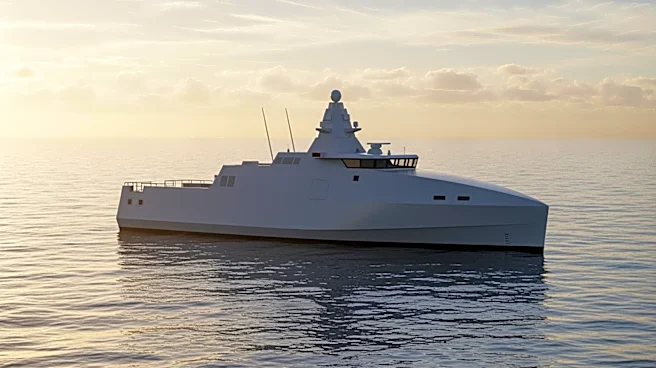
The U.S. Navy, in collaboration with San Diego-based startup Seasats, has launched a fleet of autonomous vessels to track Chinese warships navigating the Taiwan Strait. These high-tech ships, known as Lightfish, are designed for intelligence, reconnaissance,
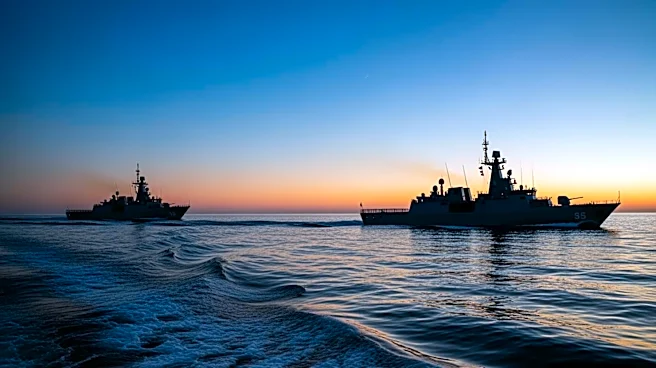
and surveillance missions without human operators. Recently, one of these vessels encountered multiple Chinese warships within Taiwan's exclusive economic zone, capturing images to confirm their type and origin. This marks the first autonomous transit of the contested Taiwan Strait, a significant waterway between Taiwan and mainland China. The initiative aims to enhance maritime domain awareness amid escalating tensions in the region.
Why It's Important?
The deployment of autonomous vessels by the U.S. Navy represents a strategic move to bolster maritime security and intelligence capabilities in the Indo-Pacific region. As tensions between Taiwan and China continue to rise, the ability to monitor and track naval activities in the Taiwan Strait is crucial for maintaining regional stability. The use of autonomous technology allows for covert operations that traditional shore-based radar systems cannot achieve, providing a tactical advantage. This development could influence U.S. defense strategies and international relations, particularly with allies in the Indo-Pacific who are also concerned about China's maritime activities.
What's Next?
Seasats plans to open a new headquarters in San Diego, expanding its operations and workforce. The U.S. Navy is expected to continue its collaboration with Seasats, potentially scaling up the deployment of autonomous vessels across the Indo-Pacific. This could lead to increased maritime surveillance and intelligence-sharing with allied forces in the region. As the geopolitical landscape evolves, further advancements in autonomous maritime technology may play a pivotal role in shaping future defense policies and international collaborations.