







What's Happening?
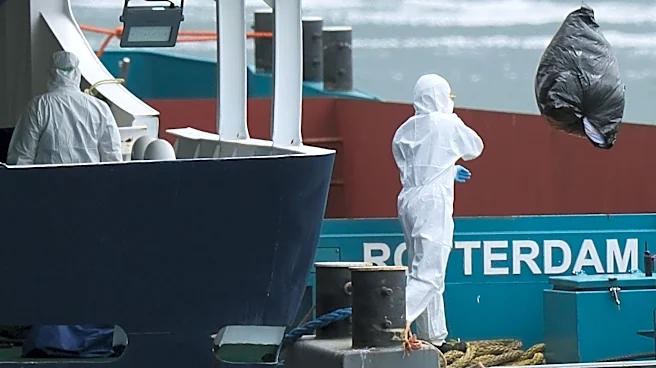
Angela Perryman, an American passenger from the MV Hondius cruise ship, has expressed feelings of betrayal after being subjected to a federal quarantine order due to a hantavirus outbreak. Despite initial assurances that her stay at the National Quarantine
Unit in Nebraska was voluntary, Perryman received a legal order mandating her confinement until the end of the month. This marks the first mandatory quarantine order by the federal government since the COVID-19 pandemic. Perryman, who had minimal contact with infected individuals and shows no symptoms, argues for the right to self-monitor at home, similar to other passengers.
Why It's Important?
The situation highlights the tension between individual rights and public health measures in managing infectious disease outbreaks. The federal government's decision to enforce a mandatory quarantine reflects a cautious approach to prevent the spread of hantavirus, which poses a serious health threat. However, it also raises questions about the balance between public safety and personal freedoms, particularly in light of past pandemic experiences. The case could set a precedent for how future outbreaks are managed, influencing public trust and compliance with health directives.
What's Next?
Perryman plans to challenge her confinement, potentially leading to legal scrutiny of the quarantine order's validity. The outcome could impact future public health policies and the legal framework governing quarantine measures. As the situation unfolds, it may prompt discussions on the adequacy of current protocols and the need for clear guidelines to protect both public health and individual rights. The case may also influence how similar situations are handled in the future, particularly in balancing public health needs with civil liberties.